Home Modifications for Amputees: Safe, Smart & Practical

The first time you move through your house after limb loss, everything feels slightly different. This article focuses on adaptations and modifications specifically designed for the amputee, helping to create a more accessible and supportive home environment.
Spaces you once navigated easily now require more balance, reach, or stamina. With the right home modifications for amputees, including people using a bionic hand, we can turn those same spaces into safe, supportive environments that work with your life, not against it.
Most amputees don’t need dramatic renovations. Instead, they benefit from practical home modifications that prevent falls, reduce strain, and make daily tasks manageable again.
Our goal here is to walk you through essential modifications room by room and show how even small, intentional changes can deliver a huge impact on the confidence, mobility, and well-being of amputees' lives.
Why Home Modifications Matter After Amputation
Life after limb loss involves constant adaptation, and the home plays a central role in that process. When a house is designed around stability and access, amputees expend less energy, face fewer risks, and engage in daily tasks more comfortably. These modifications support independence and protect against preventable falls.
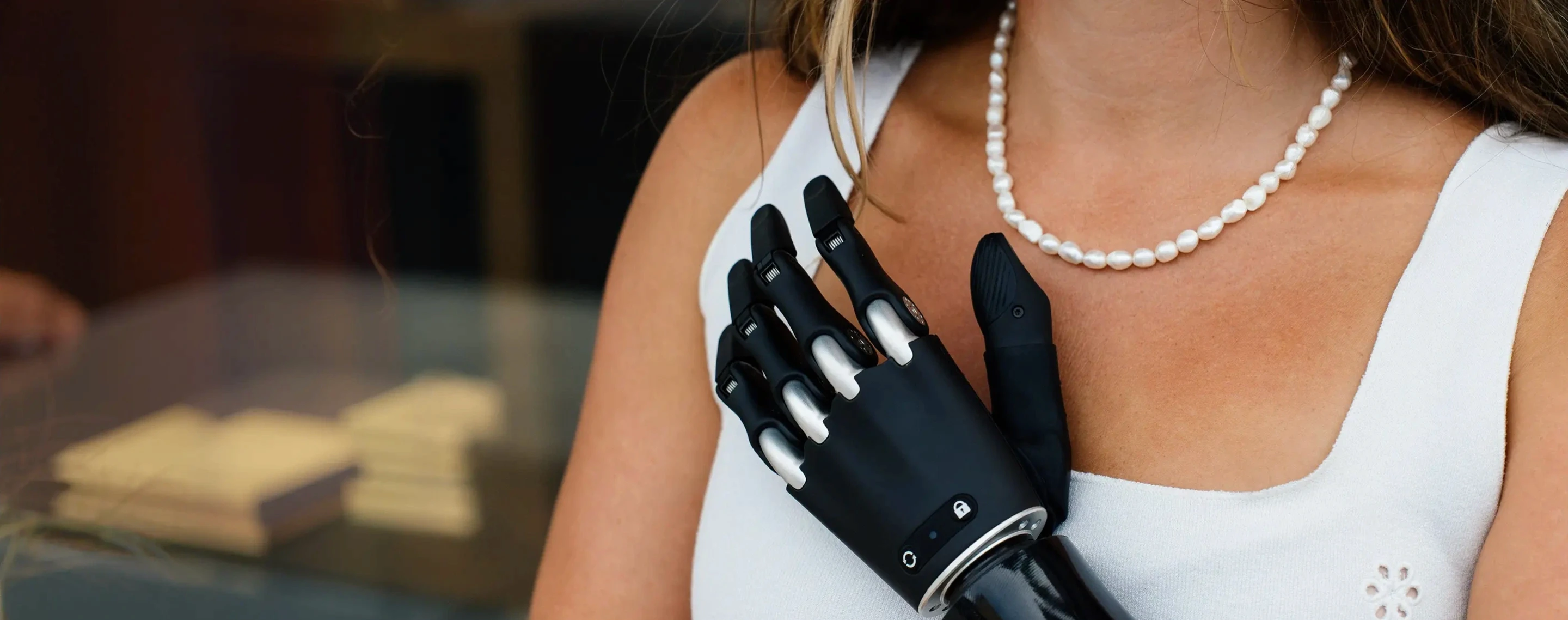
Many recent amputees discover that tasks like navigating stairs, reaching high cabinets, or walking across certain flooring suddenly require more effort. This is especially true if you use devices like a bionic hand by Aether Biomedical or other upper limb prosthetics, because balance and reach can change alongside mobility.
Stairs leading into the home, narrow door pathways, or cluttered living areas can cause unnecessary strain. Simple modifications help amputees navigate these areas more safely, whether they use a prosthetic limb, wheelchair, or other assistive devices.
Different people have different needs. Upper limb amputees who use a bionic arm or prosthetic bionic hand benefit from smart home devices, lever door handles, and accessible storage. Wheelchair users require wider doorways, ramps, and smooth flooring transitions. Seniors often rely on grab bars, non-slip mat surfaces, and lighting upgrades. Children typically need reachable fixtures and lower shelves.
Thoughtful modifications support the unique needs of each individual and create an environment where mobility feels natural.
How to Assess Your Home for Accessibility After Amputation
Before making any major changes, assess your house from top to bottom. Move slowly through each room and notice where you hesitate, reach too far, or feel unstable. Those small moments signal where modifications can make the biggest difference.
Identify Common Problem Areas
Pay attention to:
Stairs leading to entrances or interior rooms
Bathrooms with slippery floors or limited stability
Kitchens with heavy items stored too high or too low
Tight doorways that limit wheelchair access
Uneven terrain at entry points that may require adding ramps
These observations will guide your next steps.
Consult an Occupational Therapist
An occupational therapist can evaluate your needs, your mobility patterns, and the way you use your prosthetic devices. Their expertise helps you prioritize essential modifications that improve safety, enhance mobility, and prevent falls. A professional evaluation ensures that your home adapts to your life, not the other way around.
Entryways and Doorways: Opening the Way
Entryways shape how accessible your entire house feels. Modifications to entryways and doorways are especially important for individuals who use wheelchairs, as these changes can accommodate different types of wheelchairs and improve overall accessibility. If the front door is challenging, every trip outside becomes harder.
Recommended Improvements
Adding ramps or installing a more permanent ramp
Widening doorways or using hinge adjustments for extra space
Removing high thresholds to maintain clear paths
Switching from knobs to lever door handles for easier use
Tailored for Different Users
Seniors benefit from motion sensor lighting and sturdy rails.
Children appreciate reachable locks and an easy-to-reach shelf for school items.
Wheelchair users need smooth, wide door pathways.
These adjustments help amputees navigate safely, even daily.
Flooring and Transitions: Staying Steady
Flooring is one of the biggest contributors to fall risk. Slippery surfaces and loose rugs can turn simple steps into hazards.
Best Flooring Choices
Textured vinyl or rubber flooring for high traction
Low-pile carpet for safe cushioning
Non-slip mat additions in bathrooms and kitchens
Avoiding thick rugs and securing loose mats helps prevent falls and supports safe mobility.
Adjust for User Needs
Wheelchair users require smooth flooring transitions. Seniors often prefer materials that provide stability underfoot. Children benefit from soft, cushioned flooring that protects against bumps.
Bathroom Modifications for Amputees
Bathrooms are high-risk areas for slips and falls, making them a top priority for modifications. Safe and accessible showering is especially important for amputees, as it can greatly reduce the risk of accidents and promote independence. Below, we share easy tips to help make bathroom modifications more manageable and effective.
Essential Bathroom Upgrades
Install grab bars near the toilet and shower
Choose a walk-in shower for easier entry
Add a shower chair for safer bathing
Use a non-slip mat in wet areas
Switch from large bottles to easier-to-handle liquid soaps
Customized for Different Users
Seniors benefit from raised toilet seats and motion sensor lighting. Women may prefer discreet grab bars that blend with bathroom décor. Children need low shelves and simple, easy-to-operate faucets.
These improvements make the shower safer and support balance in critical spaces.
Kitchen and Living Area Modifications
Because these are the rooms where daily activities happen most, accessible layouts matter.
Modifications can be tailored for individuals with limb differences, including those who use prosthetics, to ensure that kitchen and living areas are functional and comfortable for everyone.
Kitchen Modifications
Removing lower-level cabinets to create wheelchair or seated position access
Using lower cabinets or an easy-to-reach shelf for everyday items
Replacing heavy cookware with lightweight devices
Choosing a kitchen table that accommodates a prosthetic limb or wheelchair
Maintaining clear paths around counters
Living Area Adjustments
Maintain clear paths to prevent tripping
Add end tables near seating for convenience
Use motion sensor lights for nighttime visibility
Choose sturdy furniture to provide stability while sitting or standing
These adjustments make day-to-day life smoother and safer.
Creating a Comfortable Bedroom
Your bedroom is the space where both rest and recovery happen. A well-designed bedroom can dramatically improve your quality of life.
Recommended Bedroom Adjustments
Use an adjustable bed for comfortable positioning
Add a night light or motion sensor lighting
Keep prosthetic limb storage accessible and organized
Add end tables on both sides of the bed
Ensure plenty of space for safe nighttime movement
With thoughtful modifications, the bedroom becomes a supportive and calming place.
Smart Home Devices for Accessibility

Smart home technology can make daily living easier for amputees.
Helpful Smart Home Tools
Voice-controlled assistants for lights, appliances, and locks
Motion sensor lighting in hallways and bathrooms
Smart thermostats and touch-free switches
Remote-operated plugs and devices
These tools reduce the need for grip strength and make your home more responsive to your mobility.
Affordable Modifications That Don’t Require Major Changes
You don’t need a full renovation to improve accessibility.
Budget-Friendly Options
Install grab bars in high-risk areas
Add non-slip mat surfaces in bathrooms or kitchens
Use gel pads for seating comfort
Add end tables near chairs and beds
Bring in portable ramps when needed
Small enhancements create meaningful improvements daily.
Who Can Help and How to Access Funding
Home modifications can feel overwhelming, but support is available.
Who Can Help
An occupational therapist
Accessibility-trained contractors
Prosthetic and mobility specialists
Funding and Support
Some insurers offer insurance coverage for medically necessary modifications. Government agencies, nonprofits, and veteran programs may also provide financial resources to support accessibility.
How Often Should You Reassess Your Home?
Mobility changes over time. Every year, or anytime your prosthetic devices or mobility aids change, it’s wise to review your home setup. A small shift in physical ability may mean adding ramps, adjusting flooring, or rethinking storage.
This proactive approach ensures the home keeps supporting your life.
FAQs
What are the most important home modifications for amputees?
Essential modifications include installing grab bars, adding ramps, using non-slip mat surfaces, improving lighting, and widening doorways for smoother wheelchair access and safer walking.
How do I start assessing my home after amputation?
Walk through each room slowly and notice where movement feels difficult. Then consult an occupational therapist, who can help identify important modifications that increase safety and independence.
What are some budget-friendly modifications I can start with?
You can install grab bars, add non-slip mat flooring, use a shower chair, improve lighting with night lights or motion sensor lighting, and adjust furniture to maintain clear paths.
What’s the difference between modifications for upper limb and lower limb amputees?
Upper limb amputees benefit from lever door handles, smart home devices, and easy-to-reach shelf placement. Lower-limb amputees often need ramps, smooth floor transitions, and room layouts that support stability.
Are there funding options to help with home modifications?
Yes. Some insurance coverage may apply, and government or nonprofit resources may offer financial assistance for essential
Conclusion
Creating a home that truly supports your mobility, confidence, and daily comfort is an ongoing process, not a one-time project. Each modification, whether it’s adding ramps, improving lighting, adjusting storage, or widening pathways, plays a role in helping you navigate life with greater independence.
As your needs evolve, your home can evolve with you, becoming a safer and more empowering space that reflects your strength, resilience, and everyday routines. With thoughtful planning and the right support, your home becomes more than a place to live; it becomes a foundation for healing, growth, and long-term well-being.

Read On
See Zeus in action across clinical settings worldwide