الأطراف الاصطناعية التجميلية لليد مقابل الأطراف الاصطناعية الوظيفية

Choosing between cosmetic and functional prosthetic hands is a personal and clinical decision. Some prosthetic hands are designed mainly for appearance, comfort, and passive support. Others are designed for active gripping, object handling, and daily task performance.
Some users also compare cosmetic hands with active options they may describe online as a bionic arm, robotic hand, or prosthetic bionic hand. These terms can be useful during early research, but the clinical decision should still come down to goals, comfort, lifestyle, residual limb condition, activity needs, and fitting recommendations from a qualified clinician.
Neither option is better for everyone. Some upper-limb prosthetic users may also use more than one device, choosing a cosmetic hand in one setting and a functional hand in another.
This article explains common prosthetic hand types for upper limb amputees, including passive cosmetic hands, body-powered devices, and myoelectric prosthetic hands.
How Do Cosmetic and Functional Prosthetic Hands Differ?
Cosmetic Prosthetic Hands
Cosmetic prostheses are passive, non-motorized devices designed to restore limb shape, visual symmetry, and a more lifelike appearance. Many are made from silicone, foam, or lightweight plastics, and a modern passive prosthesis can also be fitted with a realistic cosmetic cover.
A passive silicone prosthetic hand may be shaped and colored to look more similar to the user’s other hand, depending on the clinical and fabrication process.
Cosmetic hands are not useless. They do not provide active movement, but they can still help with light support. A user may use a cosmetic hand to stabilize an object, hold paper in place, support light two-handed activities, or balance an item against the body.
Their main value is often comfort, appearance, simplicity, and passive support.
Functional Prosthetic Hands
Functional prosthetic hands are designed to actively open, close, grip, or assist with object handling. They are built for task performance rather than appearance alone.
Functional options include body-powered prosthetic hands or hooks and a myoelectric prosthesis.
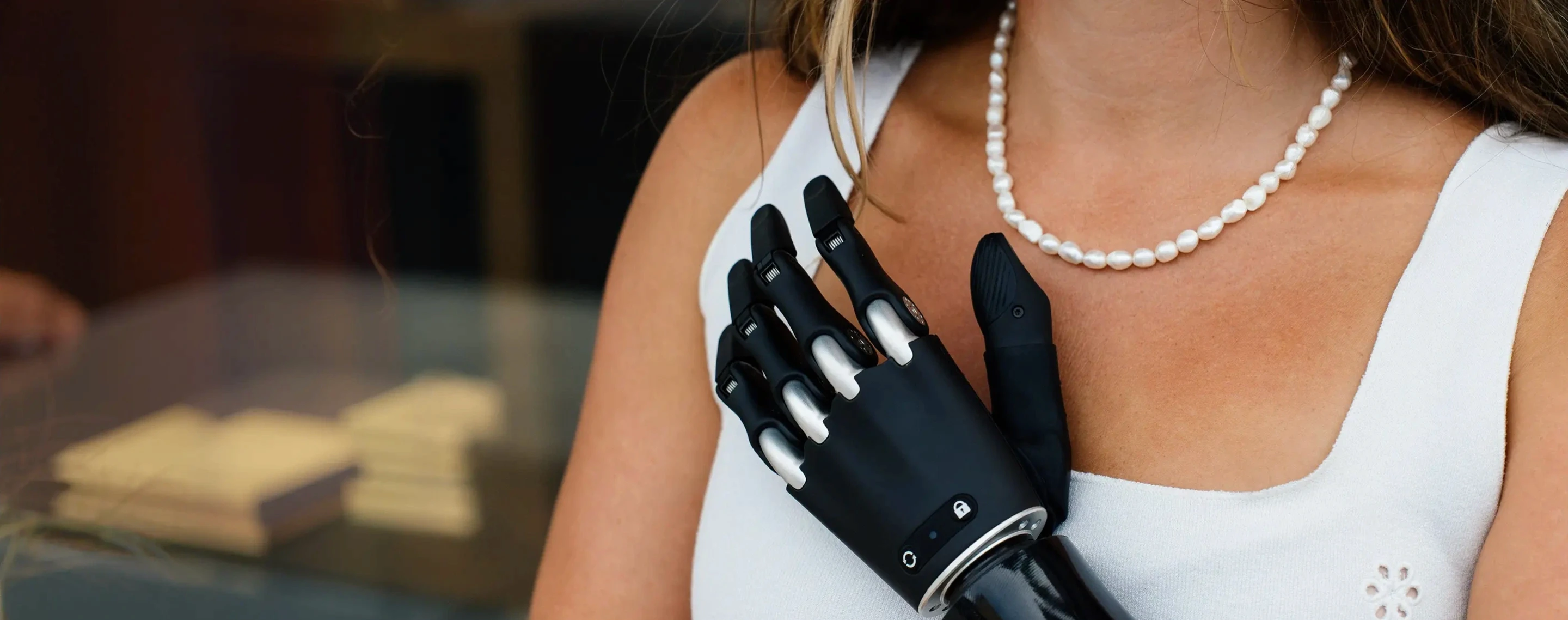
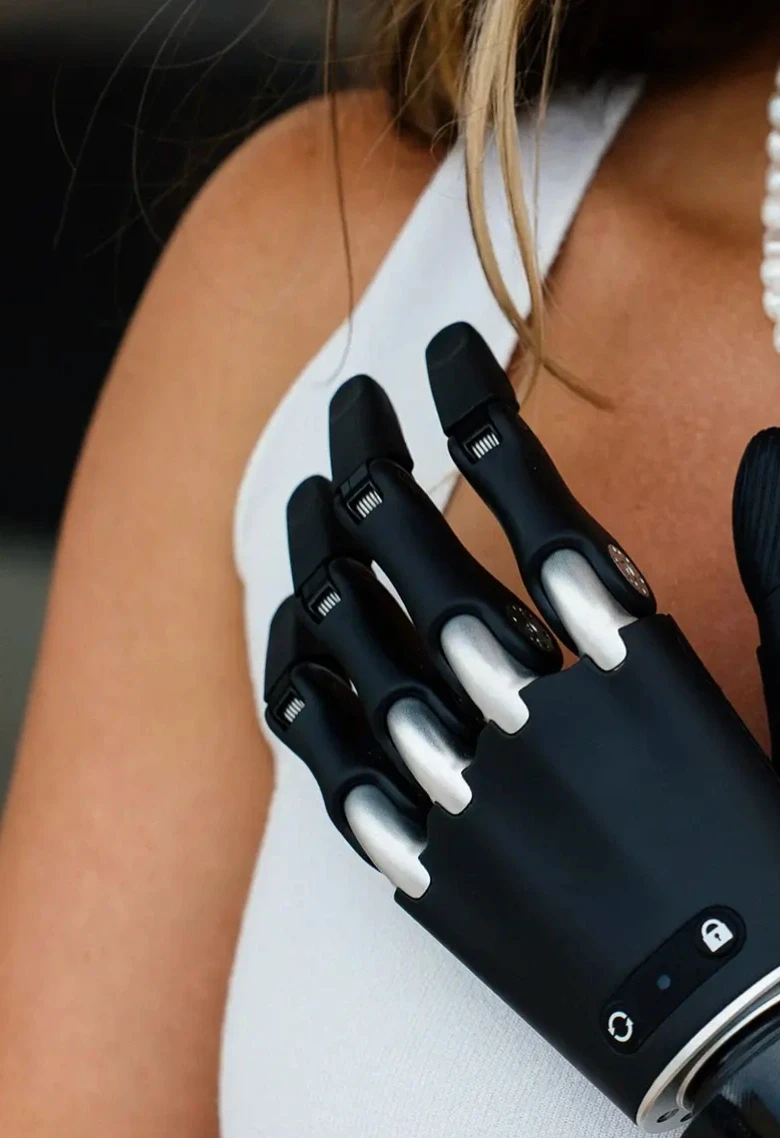
Body-powered devices use shoulder, arm, or upper-body movement through a cable and harness system. Myoelectric prosthetic hands, such as Aether Biomedical’s Zeus hand, use muscle signals from the residual limb to control motorized movement.
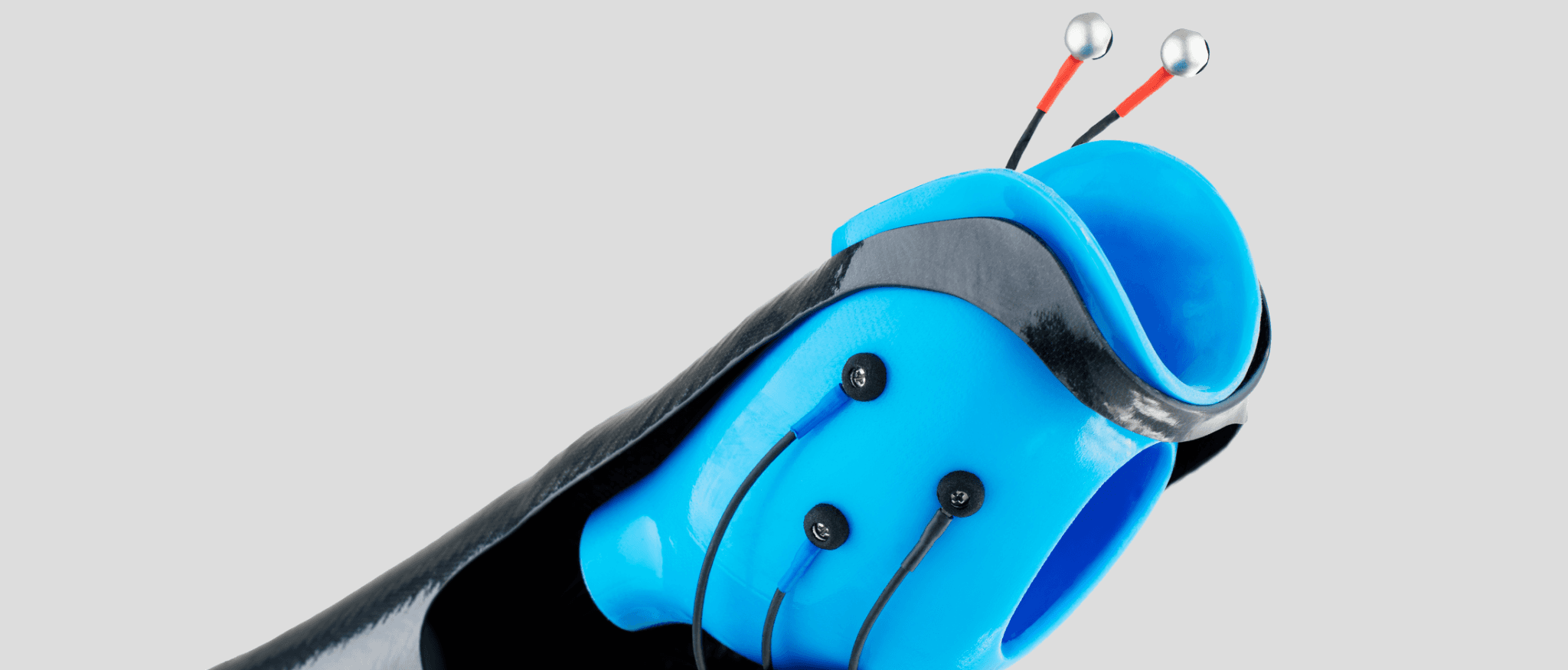
Advanced surface EMG sensors, such as Aether MyoSense, detect muscle activity with clinical precision, translating those signals directly into motor commands.
In simple terms, the difference between a myoelectric vs cosmetic prosthetic hand is active control. A cosmetic hand is usually passive. A myoelectric hand is designed to move and grip using muscle-signal control.
What Are the 5 Key Trade-Offs Between Cosmetic and Functional Prosthetic Hands?
The choice between a passive vs active prosthetic hand often comes down to five practical trade-offs: appearance, weight, maintenance, task support, and clinical justification.
Cosmetic Prosthetic Hands
Visual realism
One of the main passive silicone prosthetic hand advantages is visual realism. Cosmetic hands may be designed to match skin tone, hand shape, fingernail detail, and overall limb symmetry.Lower weight
Passive cosmetic hands are often lighter because they do not contain motors, batteries, sensors, or complex mechanical systems.Low maintenance
Cosmetic hands do not need charging, electrode cleaning, or technical calibration. They usually need basic external cleaning and routine care.Passive function
Cosmetic hands can support light two-handed balance, but they do not actively grip, open, close, or change grasp patterns.Coverage considerations
Purely cosmetic devices may face different insurance or reimbursement requirements depending on location, payer rules, and policy details.
Functional Prosthetic Hands
Active grasping
Functional hands help users grip, hold, and release objects. This is one of the main functional benefits of bionic prosthetic hands.Added weight
Myoelectric hands may be heavier than cosmetic hands because they can include motors, batteries, sensors, and mechanical frames.Power and upkeep
While myoelectric devices require charging and routine care, system upkeep is simplified. Unlike traditional bionic hands that require lengthy factory repairs, the modular Zeus system offers 100% local, in-clinic repair in under 10 minutes.Task performance
Functional hands enable active object handling. Both Zeus models offer 14 predefined grip patterns and up to 10 configurable patterns. Their performance specifications differ: Zeus V1 provides up to 152 N of grip force and closes in 1.2 seconds, while Zeus V2, available in small (Zeus S) and medium (Zeus M) sizes, provides 120 N of grip force and closes in 0.8 seconds. Clinicians can remotely adjust grip patterns and control settings through the Aether Digital Platform (ADP).Clinical justification
Functional devices often require documentation showing how active grasping supports the user’s daily activities and why the device is appropriate.
How Do Cosmetic and Functional Hands Impact Daily Tasks?
Cosmetic Prosthetic Hands
Cosmetic prosthetic hands function as passive helpers that improve daily life without requiring active control, complex training, or charging routines. While they do not move independently, they assist with two-handed tasks by holding paper steady while writing, supporting a lightweight bag over the arm, or stabilizing a jar against the body so the sound hand can open it. Beyond physical support, their primary benefit lies in restoring visual symmetry and balance in social or professional settings, offering a simple, low-effort option for users who prioritize ease of use and aesthetic integration.
Functional Prosthetic Hands
In contrast, functional prosthetic hands actively assist users with object handling, enabling independence in daily tasks that require precise gripping, holding, releasing, or positioning. They support activities such as picking up a cup, holding a smartphone, turning door handles, carrying heavy shopping bags, and typing. Although active control requires an initial learning period, modern technology streamlines adaptation: users manage motion using Aether MyoSense surface EMG sensors, while clinicians monitor signal strength, refine control thresholds, and update device profiles remotely via the Aether Digital Platform (ADP) to minimize the learning curve.
What Clinical Factors Determine Which Upper Limb Prosthesis Type Is Right for You?
Cosmetic Prosthetic Hands
A cosmetic prosthetic hand may be a good fit when the user values:
Natural appearance
Lightweight wear
Low maintenance
Comfort during long periods
Social confidence
A simpler device with fewer technical requirements
Even with a passive device, clinical fit still matters. Socket comfort, residual limb shape, skin sensitivity, and daily wear tolerance can affect whether the prosthesis works well for the user.
A cosmetic hand may look simple from the outside, but the fitting still needs careful clinical attention.
Functional Prosthetic Hands
A functional prosthetic may be a good fit when the user needs:
Active grasping
Greater independence in daily tasks
Work or household support
More control options
A device that supports specific activity goals
Myoelectric or body-powered control
A Certified Prosthetist and Orthotist or qualified clinician may assess residual limb condition, range of motion, strength and control, muscle signal quality for myoelectric options, daily task goals, socket fit, and comfort.
Trial fittings may also be helpful where appropriate. A user may need to test control responsiveness, comfort, and wear tolerance before a final prescription.
This is especially important when comparing a body-powered vs myoelectric prosthetic hand. Body-powered devices and myoelectric devices work differently, so the best choice depends on the person’s physical ability, goals, and comfort with each control style.
Can Upper-Limb Amputees Use Both Cosmetic, Functional, and Body-Powered Prosthetic Arms?

Cosmetic Prosthetic Hands
Yes. Some users keep a cosmetic hand for formal events, social settings, lighter wear days, or times when visual appearance and comfort matter most.
A lightweight cosmetic hand may also give the residual limb a rest after longer periods using a heavier active prosthesis. For some users, this flexibility makes prosthetic wear feel more manageable across different parts of life.
Functional Prosthetic Hands
Users may rely on a functional hand for work, cooking, chores, office tasks, or activities that require active gripping. A functional hand can be useful when the priority is object handling rather than appearance alone.
Prosthetic needs can also change over time. A person may start with one device type and later move to another. Some users may use multiple devices based on the situation, the task, or the amount of time they plan to wear the prosthesis.
How Should You Choose Between Cosmetic and Functional Prosthetic Hands?
Cosmetic Prosthetic Hands
Cosmetic prosthetic hands suit individuals whose primary goals focus on aesthetic realism, lightweight comfort, simple upkeep, and passive support. They offer a comfortable, low-maintenance option for users seeking visual symmetry, social confidence, and long wear times without the need for daily charging, electrode maintenance, or managing active controls. This makes a passive device ideal when the priority is ease of use, light balance, and subtle assistance during daily routines.
Functional Prosthetic Hands
Functional prosthetic hands, whether myoelectric or body-powered, are designed for users who prioritize active gripping, enhanced object handling, and independence during work or household activities. Options such as Aether Biomedical’s Zeus hand portfolio provide multi-grip functionality to support demanding everyday tasks. Ultimately, selecting the right device requires a clinical evaluation with a qualified prosthetist, who can assess residual limb condition, muscle signal control, daily lifestyle needs, and personal goals to recommend the appropriate prosthesis.
What About Robotic Hand Price When Comparing Options?
Robotic Hand Price is a common search term for people comparing cosmetic and functional prosthetic hands, but pricing should not be treated as a fixed public number. Prosthetic planning depends on clinical needs, socket requirements, fitting process, local availability, payer or funding rules, and follow-up care.
The better approach is to discuss device options, fitting needs, and documentation with a qualified prosthetist or clinical team.
FAQs
What is the primary difference between a cosmetic and a functional prosthetic hand?
A cosmetic prosthetic hand is designed mainly for appearance and passive support. A functional prosthetic hand is designed as a myoelectric prosthesis or body-powered prosthesis that provides active movement to open, close, and grip objects.
Why are functional prosthetic hands heavier than cosmetic ones?
Functional hands may include motors, gears, sensors, batteries, cables, or mechanical parts. Cosmetic hands are usually made from lighter materials such as silicone, foam, or light plastics.
Is a functional prosthetic hand harder to maintain than a cosmetic one?
Historically, yes, but modular designs have significantly simplified upkeep. While a myoelectric hand requires daily battery charging, devices like the Zeus hand eliminate long factory service delays through 100% local in-clinic repairability in under 10 minutes across individual modular components.
Can an amputee switch between a cosmetic hand and a functional hand?
Yes. Some users use a cosmetic hand for social settings or lighter wear and a functional hand for work, chores, or daily tasks that require active gripping.
Conclusion
Choosing between cosmetic and functional prosthetic hands is not only a technical decision. It is a practical decision about comfort, confidence, control, activity needs, and daily routine.
A cosmetic hand may be the right option when appearance, simplicity, and passive support matter most. A functional hand may be the better fit when active gripping and task performance are the priority.
For many users, the best answer comes through clinical assessment, trial use where appropriate, and an honest discussion about what the prosthesis needs to do in real life.
If you are considering an active prosthetic hand option, speak with a qualified prosthetist or clinical team about whether a Zeus hand may fit your goals. They can assess your residual limb, daily activities, comfort needs, and control options before making a recommendation.

تابع القراءة
شاهد زيوس أثناء العمل عبر البيئات السريرية حول العالم