Bionic vs Prosthetic Hand: Key Differences & Benefits
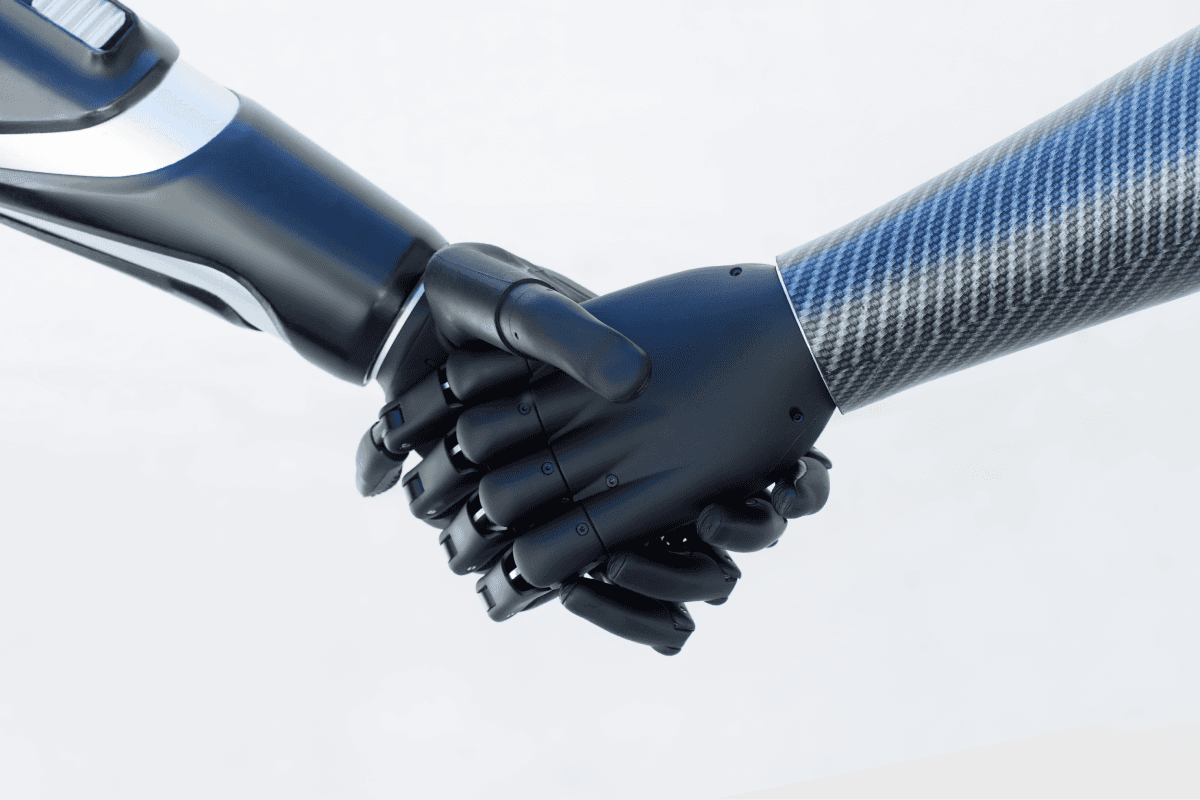
There’s a moment that really drives home the reality of the rehabilitation journey. It’s not while you’re having a consultation or getting fitted, but when you’re trying to do something simple, like grab a cup or send a text message.
Prosthetic and bionic hands are essential solutions for individuals experiencing limb loss due to injury or medical conditions, helping restore mobility and functionality. That’s when the difference between the devices becomes real, not just some theoretical concept.
Understanding what sets a bionic hand apart from a prosthetic hand starts with seeing how each bionic hand or prosthetic hand actually performs in everyday life.
What is the fundamental difference between a bionic hand and a prosthetic hand?
Defining the Divide
The most straightforward way to grasp this topic is by understanding one pretty widely accepted rule of thumb: All bionic hands are prosthetics, but not all prosthetics are bionic. A prosthetic hand just refers to any artificial device designed to take the place of a missing hand.
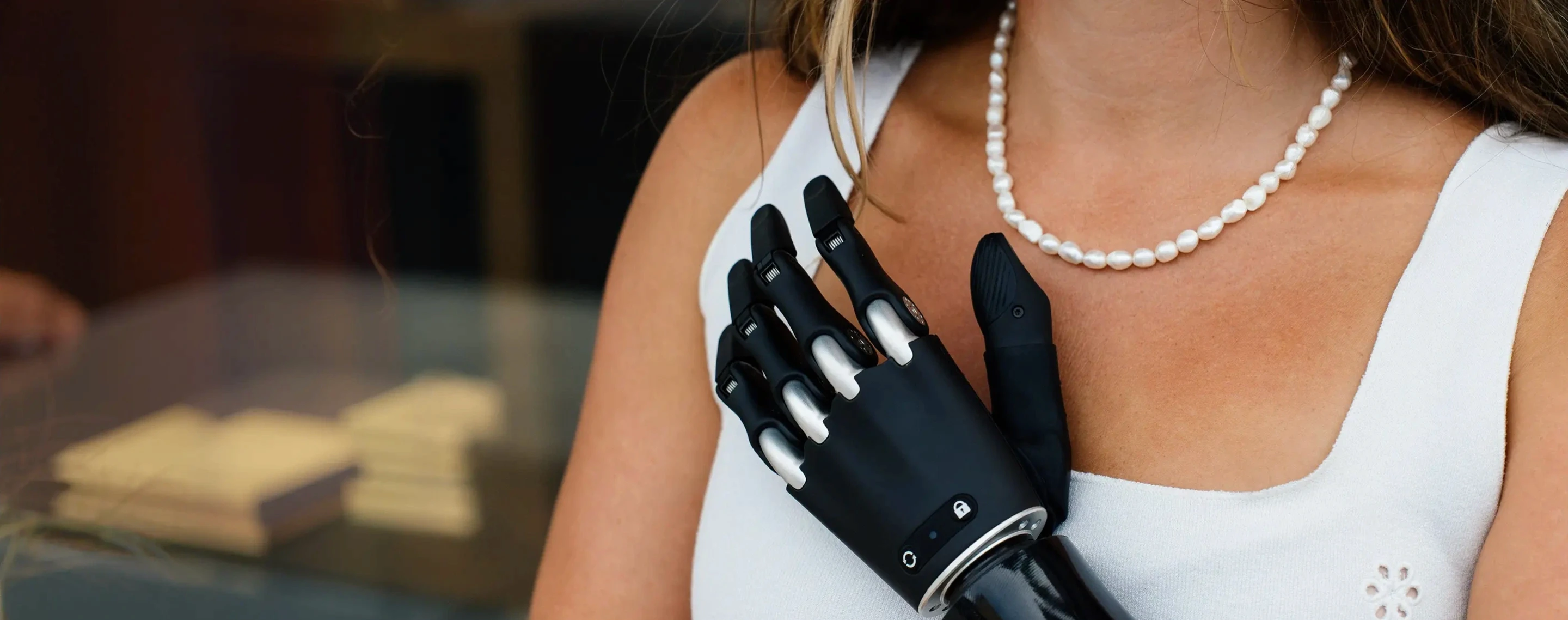
A bionic hand, also sometimes called a bionic robot hand, is a more advanced type of prosthetic that uses electronic systems and muscle signals to control movement. This distinction is what sets the foundation for understanding how different technologies serve different user needs.
Prosthetic hands generally fall into three categories, each with its own purpose and level of functionality. These include passive hands (also known as cosmetic prostheses), body-powered systems, and bionic hands.
Cosmetic prostheses are non-functional devices that provide a cosmetic appearance, often made of silicone and custom-painted to resemble natural skin. They can be used as stabilizers or carrying surfaces and are often recommended for initial use, especially in children.
Body-powered devices rely on you physically moving yourself. Bionic hands, often used as part of a full bionic arm, introduce electronic control and adaptability.
Low-Tech vs. High-Tech
Traditional prosthetic hands rely on mechanical systems, with movement driven by your own physical effort. Body-powered hand prostheses operate using a pulley system, controlled by the muscles in your residual limb.
These devices use cables and harnesses, with attachment points such as the wrist, allowing you to generate motion through your shoulder, upper body, or residual limb muscles.
Body-powered hand prostheses are rugged and suitable for practical tasks, including manual labor, but they often require consistent physical effort, which can become tiring with repetitive activities.
Bionic hands work through motor-driven systems, so you don’t have to rely on mechanical pulling or harness-based control. Instead, they use the electrical signals generated by your muscles.
This shift from mechanical input to electronic response allows for more precise and adaptable control. As a result, users can perform a wider range of tasks without feeling the strain.
The Biological Connection
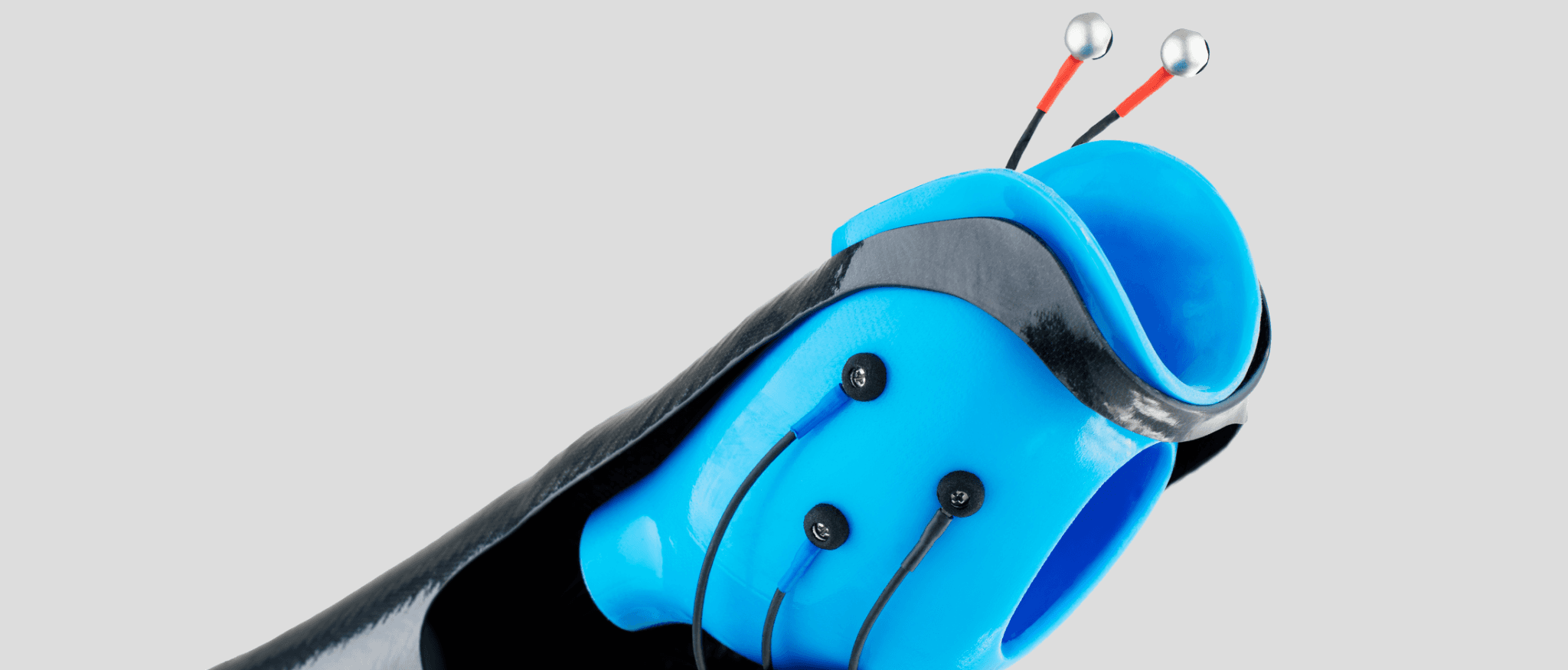
Bionic hands rely on EMG biosignal processing to create a direct link between muscle activity, the nervous system, and movement. Electrodes are placed on the residual limb to detect the electrical signals generated when muscles contract, which are influenced by neural signals from the brain.
These signals are then translated into commands that control the movement of the hand. Unlike standard prosthetics that focus on basic mechanical function, bionic prosthetic limbs can connect directly with the nervous system, including nerve endings and muscles, to mimic the natural function and feedback of the original body part.
This integration allows for more intuitive control and sensory feedback.
The Zeus hand uses this system to let people control movement through their muscle signals, allowing them to activate grips and make adjustments without mechanical effort.
This means users can do tasks without feeling like they’re struggling, creating a more natural and responsive experience compared to traditional systems.
How do the control mechanisms differ in everyday situations?
Strain vs. Precision
In everyday use, the difference between mechanical and bionic control is really clear. Body-powered prosthetics require consistent physical effort, which can lead to fatigue during extended use.
Movements are functional but often limited in precision and adaptability. This makes certain tasks more difficult, especially ones that require fine motor control.
Bionic hands bring a shift in focus from effort to precision by using muscle signals instead of physical force. This reduces strain on your body and lets you move more smoothly and precisely.
Tasks that require accuracy, such as handling small objects or interacting with devices, become a lot easier. However, using either type of prosthetic hand effectively requires ongoing practice and skill development to adapt and improve function. The result is a more efficient and less physically demanding experience.
Control on Demand
One of the key features of modern bionic hands is proportional control. This system lets users adjust the speed and strength of movement based on how hard they’re squeezing their muscles.
A stronger squeeze gives you a stronger grip, while a lighter squeeze results in more delicate movement. This creates a level of control that closely matches real-world needs, making it easier to perform everyday tasks and participate in daily activities.
Proportional control is especially useful when you’re switching between tasks that require different levels of force. For example, holding something fragile requires an entirely different approach than lifting a heavy item.
With this system, users can adapt instantly without having to switch devices or fiddle with the controls. This flexibility enhances user security and ease of use, supporting daily activities and making bionic hands more practical for those who need to perform everyday tasks.
Finger Work
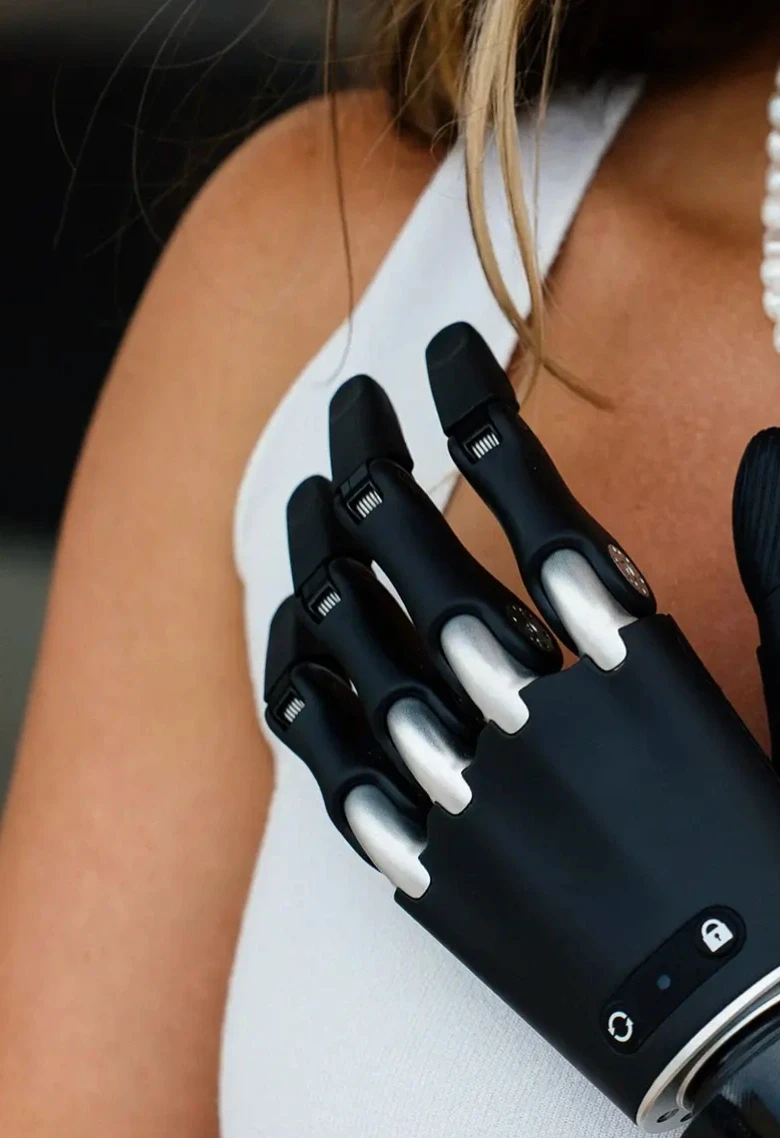
A major advantage of bionic technology is the ability to control individual fingers independently through articulating fingers. Advanced bionic hands, such as the Zeus hand, are designed as multi-articulating hands, featuring multiple motors for multi-articulating fingers.
This allows for more life-like, precise, and versatile finger and thumb movements compared to traditional prosthetics, which typically use a single motor for simple open/close functions. The individually motorized digits stall when they hit resistance, enabling the hand to conform to the shape and size of an object and enhancing grip security.
This multi-articulating capability is especially beneficial when handling irregular or delicate objects. Instead of applying uniform pressure, each finger adjusts based on contact, improving both grip security and object protection.
Multi-articulating myoelectric hands further enhance user confidence and functionality by providing advanced grasp capabilities for both delicate and heavy-duty tasks, making everyday activities easier and more reliable.
What are the unique advantages and limitations of bionic technology?
A Lot More Dexterity & Versatility
Bionic hands are designed to be really flexible and able to do a whole bunch of different movements through a bunch of grip patterns. The Zeus hand comes with 14 preset grip options plus some additional customizable settings, which let users tailor the device to their specific needs. And that flexibility supports both simple and complex tasks throughout the day.
These grip patterns let users do things like type on a keyboard, hold a hammer, or pick up a small item, all with ease. And the fact that you can switch between grip patterns really easily, without having to change devices, means that bionic hands are suitable for dynamic environments. And that makes life a heck of a lot easier for the user.
The Impact Resistance Solution
Bionic hands can be pretty fragile, and that's a problem in environments where things are getting knocked about a lot. The Zeus hand deals with this with an impact resistance mechanism that lets the fingers flex when you hit them. That reduces the chance of them getting damaged in the course of everyday use.
This design means that the hand can take a knock without its performance being compromised. Instead of using rigid parts that might snap under pressure, the system basically soaks up the impact. That adds a level of reliability that previously wasn't possible with bionic devices. And it means users can use the hand in real-world scenarios without worrying about it breaking.
Weight vs. Power Management
There's always a trade-off between power and weight when it comes to prosthetic design. The Zeus S does a pretty good job of getting this right by weighing in at around 480g. That reduces fatigue for the user when they're using the device for a long time, which is especially important for users who need to wear it all day.
At the same time, the device still has plenty of power for everyday tasks. It's all about finding that balance between power and weight. That way, users can get on with their daily lives without having to worry about their device letting them down.
Intuitive Control Systems
Myoelectric control systems are designed to make using the hand as easy as possible. Instead of having to think about how to make the hand do things, users focus on the muscle signals they’re using to control it. That creates a much more natural interaction between the user and the device.
Recent advancements in microcontrollers, motors, transmission systems, batteries, artificial intelligence, and machine learning have significantly enhanced the responsiveness and user-friendliness of prosthetic limbs.
Artificial intelligence and machine learning systems enable these devices to learn from and adapt to the user's environment and movements, improving intuitive control and overall functionality.
This means that users can get on with their lives without having to think too much about how to use their hands. It also makes the whole learning process a lot easier. It means users can pick up their hand and get on with their daily lives without having to spend loads of time figuring out how to use it.
Maintenance of Complex Electronics
Bionic hands need regular maintenance to keep them working properly. This includes things like charging the battery, updating software, and making sure the system is all working as it should be. It's all part of working with an electronic device, and it's what lets the advanced features work.
The Aether Battery System is what powers the device, and it is designed to keep it working all day long. Regular charging is the key to keeping the system running smoothly.
And proper care and maintenance will also help extend the lifespan of the device. That's really important when you're thinking about the long-term cost of owning a bionic hand.
Which grip modes are essential for a modern lifestyle?
The 14-Grip Spectrum
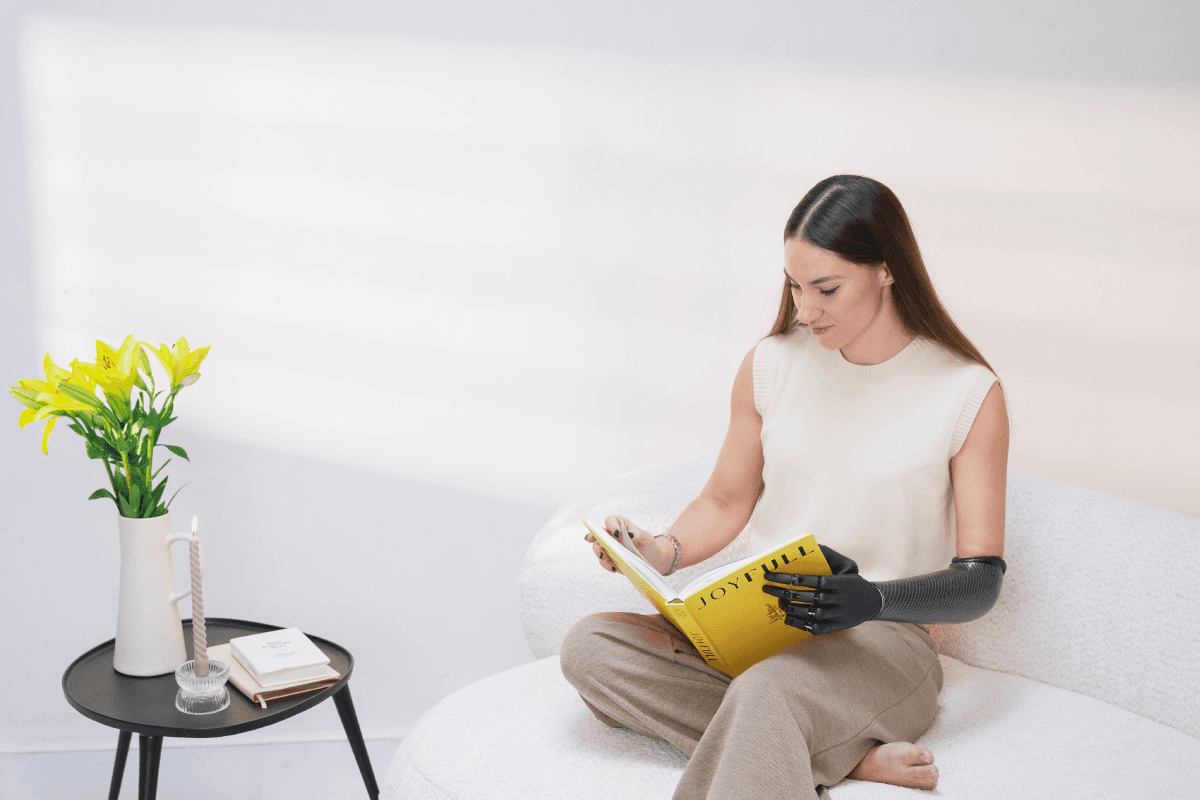
Modern bionic hands are all about flexibility and doing lots of different tasks, and grip variety is a big part of that. The Zeus hand has a whole bunch of grip options designed for everyday activities, from typing on a keyboard to holding a hammer.
Some of the most commonly used grip patterns include:
Power Grip - for general handling
Tripod Grip - for medium-sized objects
Precision Grip - for delicate tasks
Hook Grip - for carrying items
Active Index - for typing and touchscreen use
The Active Index grip is particularly useful for users who need to interact with digital devices.
Strength Benchmarks
Grip strength is one of the most important features of a prosthetic hand, allowing users to confidently grasp both small and delicate items as well as larger and heavier objects.
Grip strength is really important when it comes to figuring out how useful a prosthetic hand is in real-world scenarios. The Zeus V1 can muster up to 152N of grip force, giving users the confidence and security needed to handle heavier everyday objects. The Zeus V2 also delivers a powerful 120N grip force, which remains one of the highest grip force levels among bionic hands, while offering faster closing time, a smaller fit, and improved repairability in under 10 minutes.
This level of strength is a real game-changer for users; it means they can do loads more tasks on their own without needing to ask for help. It also provides a sense of confidence and reliability, which is what using a prosthetic hand is all about.
Digital Integration
The Aether Digital Platform (ADP) connects the Zeus hand to a wider digital ecosystem. This lets clinicians monitor how the hand is being used, adjust settings, and update software on the fly. That means users can get help and support without having to go to the clinic all the time.
This level of connectivity is really important when it comes to getting the best out of a prosthetic hand. It means users get the ongoing support they need to keep their hands working as well as possible. That's got to be a good thing.
How do you choose the right device for your rehabilitation journey?
Lifestyle Matching
Choosing the right prosthetic hand for you starts with thinking about how you’ll be using it in your daily life. Some prosthetics are better suited to repetitive tasks or physically demanding activities. They’re good for environments where complexity just isn’t required.
Bionic hands, on the other hand, are great for tasks that require a bit more finesse. They can handle precision work, do loads of different things, and work really well in dynamic environments.
Involving patients directly in the selection and development process ensures that the device matches individual needs and preferences, leading to better outcomes. It’s all about finding the right device for your lifestyle, so you get the best possible outcome.
The Role of the Clinician
The decision-making process is all about working closely with a clinician; they're the ones who will assess the quality of your muscle signals, decide whether this technology is right for you, and set the device up to match your individual needs.
Proper fitting and setting up the prosthetic is super important for how well it performs.
With tools such as the Aether Digital Platform, which lets clinicians support users remotely, adjusting the device no longer requires you to make a trip to the clinic. This means you can get the help you need without having to take time off work or do much of the driving.
That in turn reduces downtime and makes the whole process a lot more efficient. Ongoing support is a big deal in getting people back on their feet.
FAQs: Bionic and Prosthetic Technology
Is a bionic hand going to be a whole lot stronger than a regular prosthetic?
A bionic hand can give you a lot more grip strength, depending on which model you go for. For example, the Zeus V1 can manage up to 152N of grip force, which makes it useful for everyday tasks that require a firm, secure hold. The Zeus V2 also delivers 120N of grip force, which still places it among the highest-grip bionic hands available, while offering a smaller fit, faster closing time, and improved repairability. But grip strength really does vary depending on the design of the hand and how it has been configured for the user.
How long does a bionic hand battery last on a typical daily basis?
Aether Battery life really does depend on how you're using the device and how active you are, but in general, most people just charge it overnight as part of their routine. That way, you've got reliable and consistent performance all day long. Managing the battery properly is also key to keeping it running well.
Do you need surgery to use one of these new-fangled muscle sensors?
The good news is that the sensors just sit on the surface of the skin and pick up on the signals from the muscle. That makes it all non-invasive and much easier to fit.
Can a bionic hand handle a bit of heavy lifting or impact?
A bionic hand is designed for everyday use, and it can take a moderate amount of punishment. The thing that helps is the flexible finger mechanisms that help make it more durable. But you should still talk it over with a clinician if you're planning to do anything really heavy-duty.
What's the difference between a body-powered hook and a myoelectric hand?
A body-powered prosthesis, such as a hook or hand, operates through mechanical bands and cables that are attached to the fingertips and controlled by the user's physical movement. In contrast, a myoelectric prosthesis uses muscle signals and electronics for control. This makes the bionic hand more precise, adaptable, and generally better suited for everyday use.
Can you use a bionic hand to type on a computer or use a smartphone?
The answer is yes, these prosthetics are designed to make those everyday tasks a lot easier. And with grips like Active Index and Mouse Grip, you can interact with keyboards and touchscreens with a lot more confidence.
How do clinicians adjust the sensitivity of a bionic limb when they're working with the user remotely?
They use the various platforms out there to access the settings and monitor the signals in real time. Which in turn means they can tweak the settings to match what the user needs, and does away with the need for all those in-person visits.
Conclusion
The decision between a bionic vs. prosthetic hand is not just about choosing the most advanced option. It’s about selecting the technology that fits your life, your needs, and your long-term goals. While some devices offer more advanced control systems and feedback capabilities, what matters most is how the solution performs in your daily routine.
Each option brings different advantages depending on how it will be used, and the right choice is the one that delivers consistency, comfort, and confidence over time.
Take a moment now to connect with the Aether Biomedical team. Share a bit about your situation, ask your questions, and start a conversation that leads to a solution built around you, not just the technology.

Read On
See Zeus in action across clinical settings worldwide