Can You Play Sports with a Bionic Hand?
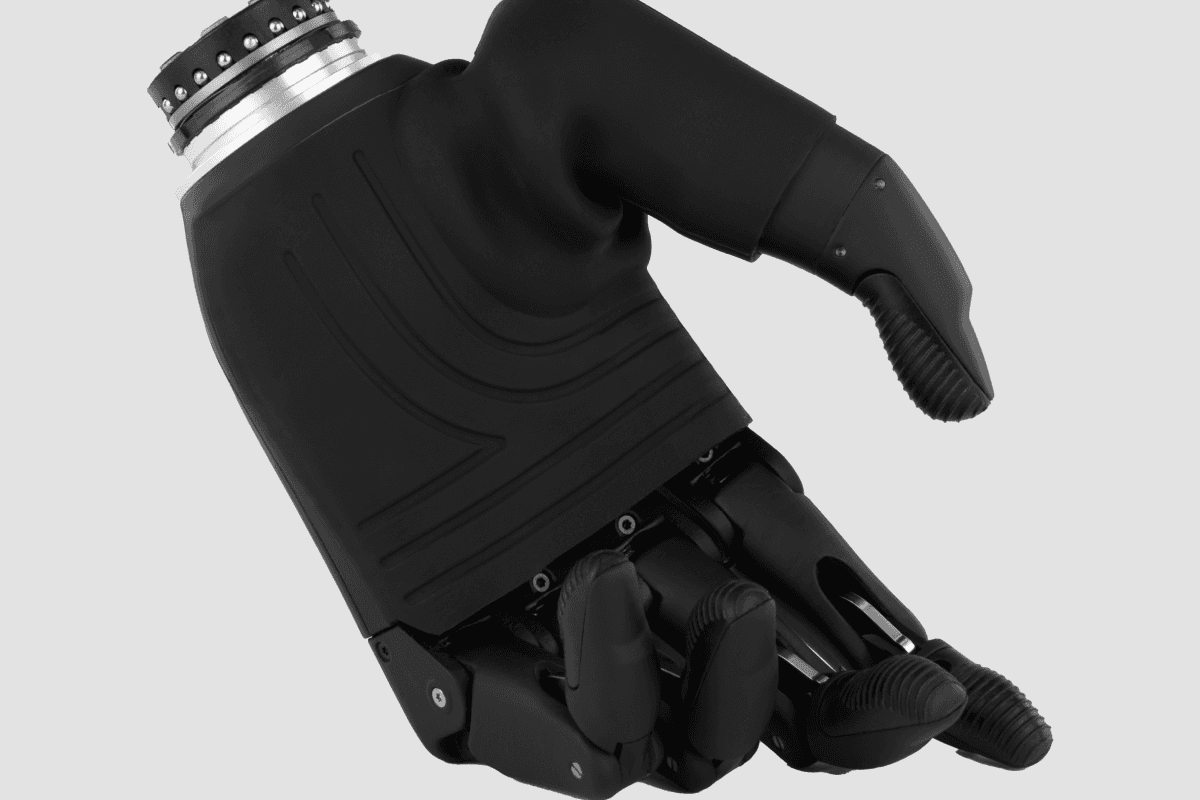
The starting line may look the same, but the road to getting there is a whole lot different. The space that used to be all about limitations has been turned on its head by tech that can adapt, respond, and perform in real time.
Sports with bionic hands are no longer just a niche topic; they’re a pretty powerful example of what can happen when modern engineering knows no bounds.
The human hand is an incredibly complex and versatile body part, with an intricate interplay of nerves, tendons, muscles, and bones, making it a significant challenge to replicate its function in prosthetic technology.
However, advancements in technology and prosthetic technology have enabled the development of specialized prosthetics designed specifically for sports, allowing athletes to achieve higher levels of performance and functionality.
We’ve seen a shift from just getting by on passive support gear to actually being able to perform, and that changes everything. The goal is no longer just to show up and participate, but to really perform, progress, and feel confident in your movements.
When we understand just how a bionic hand works in a real athletic setting, the possibilities start to open up pretty quickly.
How Bionic Tech Is Changing the Game For Adaptive Athletes?
Active vs. Passive Support
Traditionally, prosthetic solutions for sports usually relied on fixed attachments that were good for one thing only. They worked, but you had to keep adjusting them all the time, and they just weren’t that flexible.
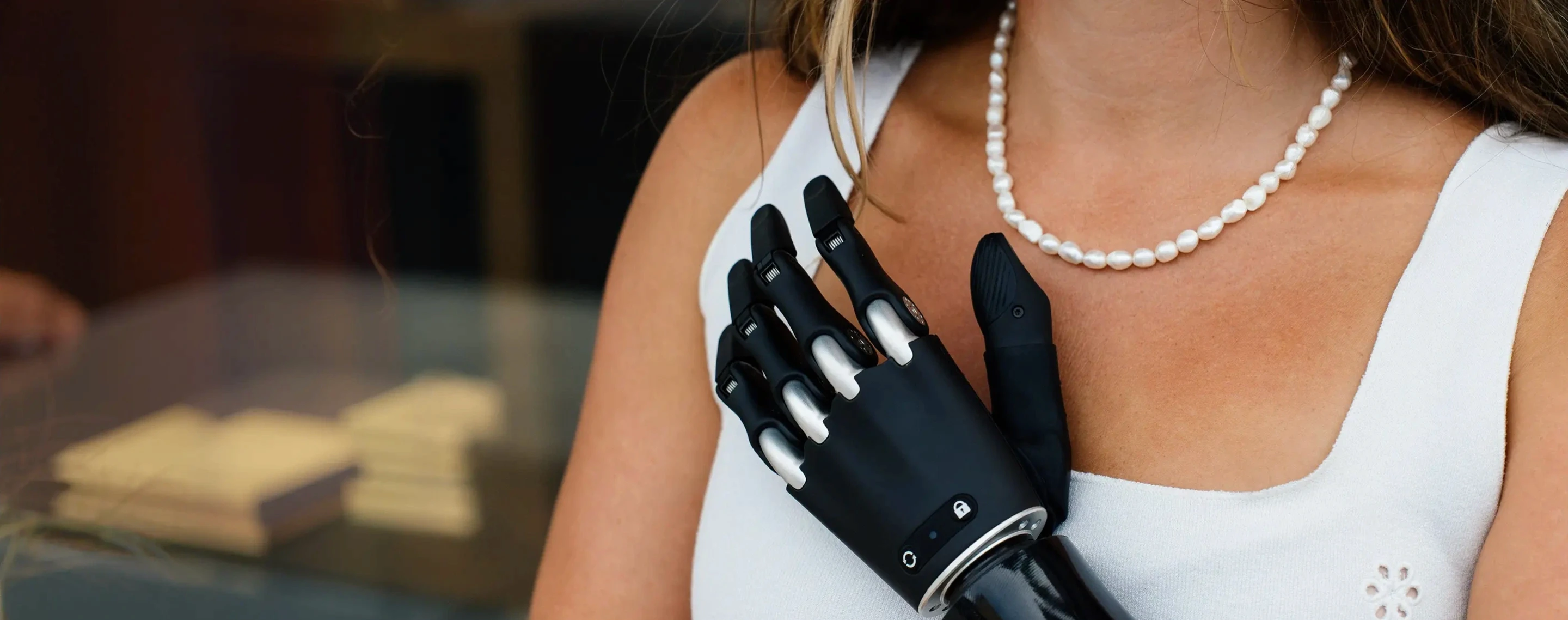
Now, with modern high-impact myoelectric limb tech, we have advanced prosthetic systems and prosthetic devices that can respond to muscle signals right in real time.
This shift lets us move beyond static tools and into dynamic performance. Instead of having to adapt ourselves to the equipment, the equipment adapts to us.
That difference really comes home during fast-paced or unpredictable movements, whether you’re using a standalone device or part of a full bionic arm setup. For optimal safety and performance, it’s essential to consult a certified prosthetist for proper assessment and fitting of prosthetic devices for sports.
Proprioception and Balance
Balance is one of the biggest challenges in adaptive sports. When one side of your body is behaving differently, it can throw off your whole coordination and movement pattern.
The use of upper limb prostheses, such as bionic hands, and the specific amputation level both play a significant role in influencing balance and coordination in adaptive sports, as they affect prosthesis selection and how the body compensates during movement.
A bionic hand helps restore a sense of symmetry by responding naturally to muscle input.
This gives you better posture, smoother transitions, and more stable movement. Over time, it also helps you regain your confidence in your physical abilities. That sense of control is crucial for both training and competition.
Shattering the "Fragility" Stereotype
There was a time when a bionic hand was seen as delicate, only suited for controlled environments. That perception is changing fast as tech evolves. Modern prostheses are designed with durability in mind, so they can handle real-world stress and impact.
Today’s sports prosthetics are built for the gym, the field, the track, not just for light activity or careful use. Many of these prostheses are versatile enough for both sports and everyday use, allowing users to transition seamlessly between daily activities and athletic pursuits. This opens up a whole lot more sports and training possibilities than before.
Can a Bionic Hand Really Cope with the Physical Impact of Sports?
The Flex-on-Impact Mechanism
One of the biggest concerns in sports is impact, whether it’s a fall, a collision, or repeated stress.
The device needs to be able to handle pressure without breaking. The Zeus hand addresses this through a flex-on-impact design that lets the fingers absorb shocks instead of passing on force directly to internal components.
Certain terminal devices, such as the Greifer, are specifically engineered to handle manual labor and high-impact sports tasks, offering enhanced gripping force and durability for demanding activities.
This way, the internal structure is protected while still maintaining functionality. It’s not about rigid resistance, but about adapting to the force that’s applied. That flexibility makes all the difference in high-impact environments.
Static Load Benchmarks
Strength isn’t just about lifting; it’s about being able to hold and stabilize weight under pressure. A high static load capacity means the hand can support heavy loads and perform heavy lifting without slipping. That’s critical in activities like rowing, supporting body weight during training, or handling substantial weights.
The Zeus hand has a static load capacity of up to 35 kg, which gives you the stability you need for demanding tasks. This level of performance is suitable for competitive weightlifters and supports a wide range of adaptive sports for upper-limb amputees, letting you be more confident when pushing your limits.
Durable Material Science
Durability depends on the materials you use in construction. High-strength resins and metals are designed to withstand vibration, friction, and repeated stress. These materials play a key role in maintaining performance over time.
For lower limb prosthetics, including prosthetic knees, the use of durable materials is crucial for sports like running and cycling, as these devices must handle high-impact forces and provide reliable support.
This is especially important in sports like cycling or running, where constant motion creates continuous impact. How well a bionic hand can resist wear under these conditions is what really matters. Consistency in performance is key for both training and competition.
Which Sports Are Best Suited for Bionic Hand Users?
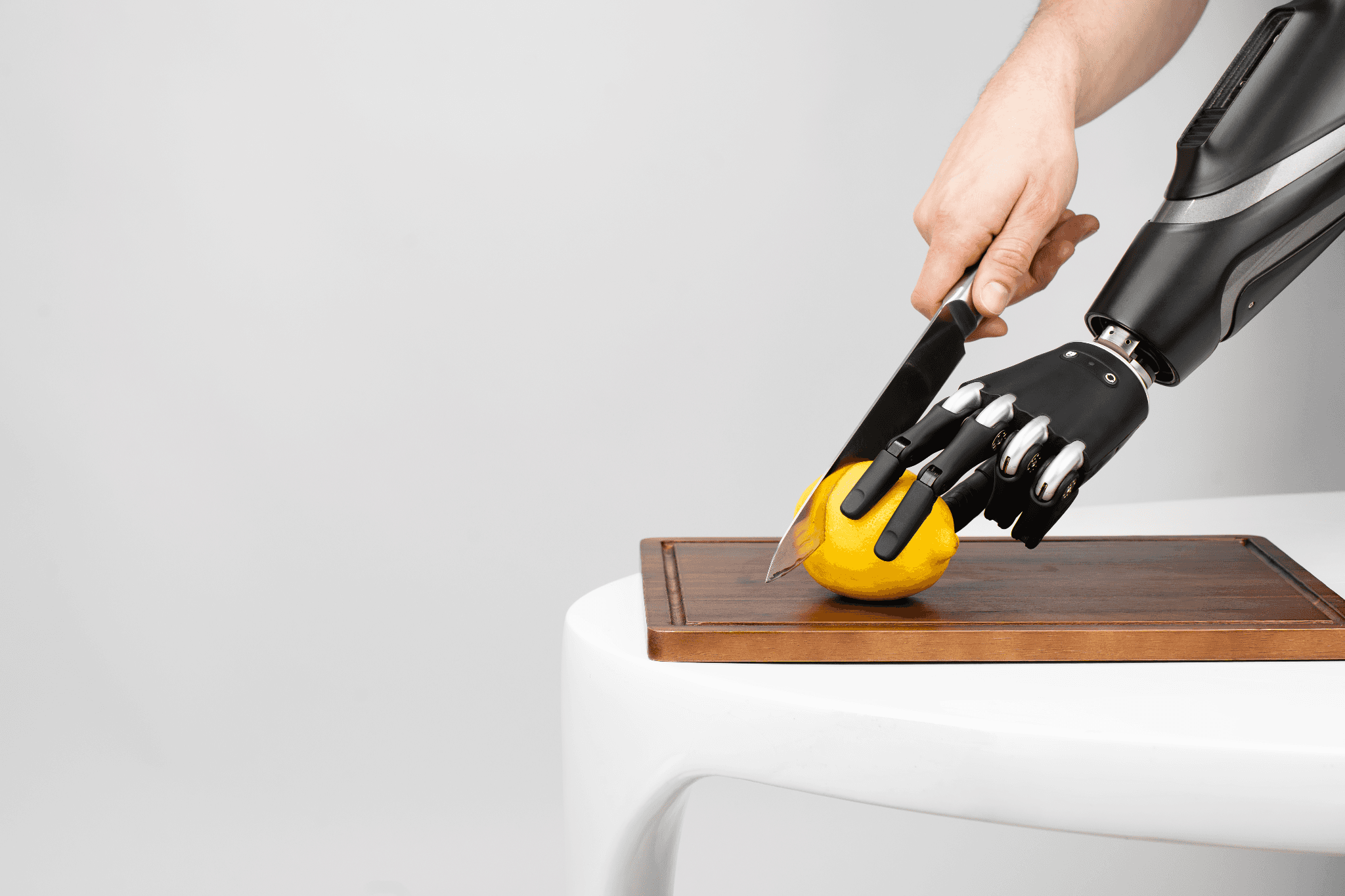
Gym and Strength Training
Strength training is one of the most accessible and effective ways to improve your performance. Strengthening the muscles around the residual limb is crucial for improved strength and control when using a bionic hand.
Preoperative conditioning can help improve strength and flexibility before surgery, preparing the body for athletic activity. After surgery, post-surgical therapy, often lasting several weeks to months, focuses on caring for the residual limb and rebuilding strength.
The initial fitting of a prosthetic device can begin as soon as two weeks after surgery, allowing athletes to adapt quickly. Training with a prosthetic limb involves tailored approaches to improve control, posture, and prevent injury, which are essential for optimal performance.
A bionic hand for weightlifting and gym use needs to be able to deliver both strength and stability. The Zeus hand delivers up to 152 N of grip force, letting you get a secure hold on barbells, dumbbells, and pull-up bars.
This level of grip force for adaptive athletes (152 N) lets you do progressive overload and controlled movement with confidence and consistency. That leads to measurable improvements in strength and endurance over time.
When weightlifting, selecting the right activity-specific device is important, as some prosthetics are designed for everyday use while others are built for demanding activities to maximize safety, comfort, and functionality.
Racquet and Stick Sports
Sports like tennis, hockey, or baseball demand precision and adaptability. The ability to adjust grip strength in real time is critical for performance. Proportional control lets you fine-tune your hold on equipment, so you can get a more natural interaction.
The thumb, index finger, and middle finger play a crucial role in providing grip options and dexterity for holding sports equipment, allowing for better control and versatility during play.
This flexibility lets you do both power and control during play. It also means you don’t need to reposition as much. As a result, movements become smoother and more efficient.
Cycling and Handlebar Control
Cycling demands a secure grip that never falters, combined with the quick reflexes to nail every turn, dodge, or jump. Bionic prosthetic hands and arms are designed for cycling, offering specialized grip modes and handlebar control to help users maintain stability and responsiveness.
That’s where specialized grip modes come in, things like handlebar grips or trigger-style grips, which let you nail the balance between control and flexibility. This balance lets you steer, adjust, and react without skipping a beat.
These grips also keep your fingers primed for braking or gear changes, and that’s where the magic happens. By getting that balance just right, your overall safety improves, and your performance gets a serious boost, especially over longer rides.
How Does a Customizable Grip Improve Your Athletic Performance?
The 14 Grip Versatility - The Bionic Hand's Ace Up Its Sleeve
Modern bionic hands come with a whole host of grip patterns that are designed for different tasks. The Zeus hand has 14 grip settings, giving you flexibility to adapt to all sorts of scenarios.
Whether you’re lifting weights, holding onto your skateboard, or getting a grip on a golf club, we’ve got a grip that’s got your back.
Some of the most useful grips for sports include:
Power Grip for smashing weights and holding onto that squash racquet
Tripod Grip for picking up that soccer ball or rugby ball
Pinch Grip for adjusting your gear or snatching an ice hockey puck
Hook Grip for when you need to pick up and run with something, like a rugby ball
Open Palm for holding and supporting flat objects or stabilizing equipment
This flexibility lets us change activities without having to change devices. And that’s where the real efficiency gains start to kick in.
Individual Fingers Taking Charge
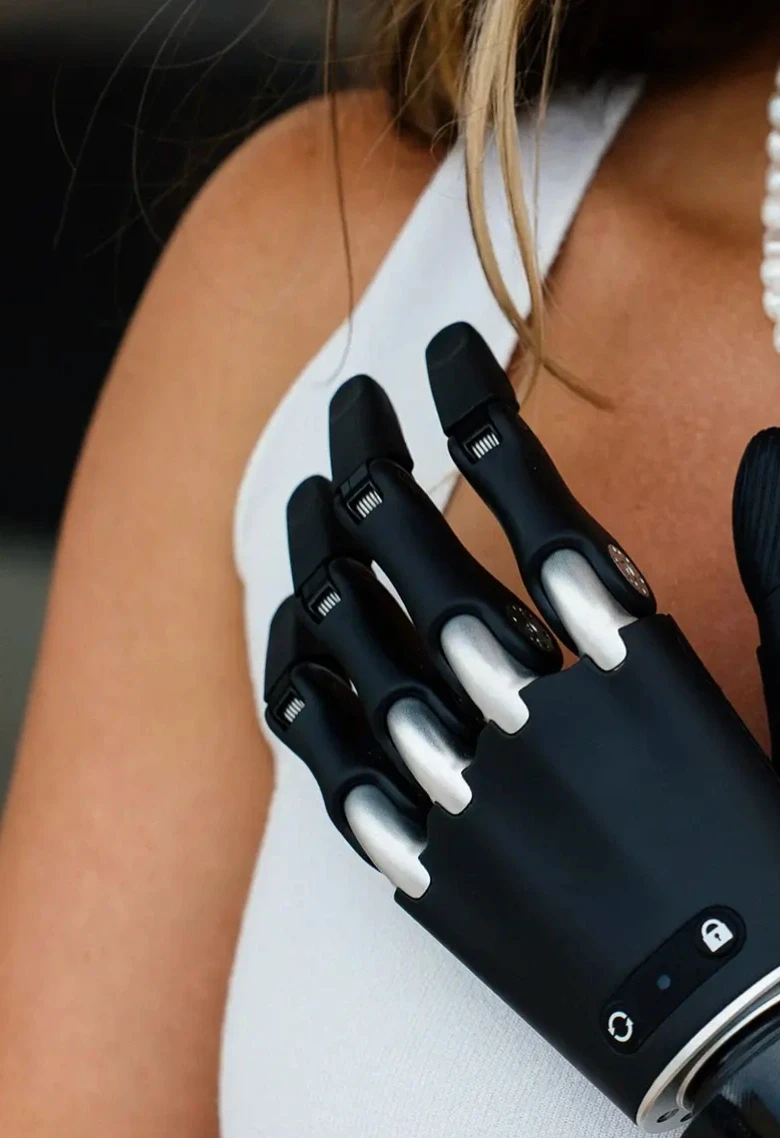
And one of the impressive features of modern bionic hands is the ability to control each finger independently.
Combined with advanced wrist movement, this enables more natural movement and closely mimics the biomechanics of a real hand, allowing for natural movement during sports and daily activities.
So, if you’re trying to grip a golf club, for example, each finger can adjust itself to fit exactly. This lets you get a secure and stable grip on pretty much any surface.
This reduces the risk of slipping and improves your control, whether you’re playing golf, scuba, or diving. It’s all about being able to adapt to whatever the situation throws your way.
Fine-Tuning for Optimal Performance
Of course, it’s not just about the hardware. The prosthetic system is specifically designed to allow for tailored software calibration and customization for different sports. Performance also depends on the software, specifically, the Aether Digital Platform for sports calibration. This is what lets us fine-tune the grip sensitivity and responsiveness to get the perfect fit for our sport.
This means we can save custom profiles for different activities, so come game day, we can make the exact right call. It’s like having your coach right there in your hand.
How Do You Keep Your Bionic Hand Going Strong Even When Things Get Tough?
The Dirty Work - Managing Sweat and Debris
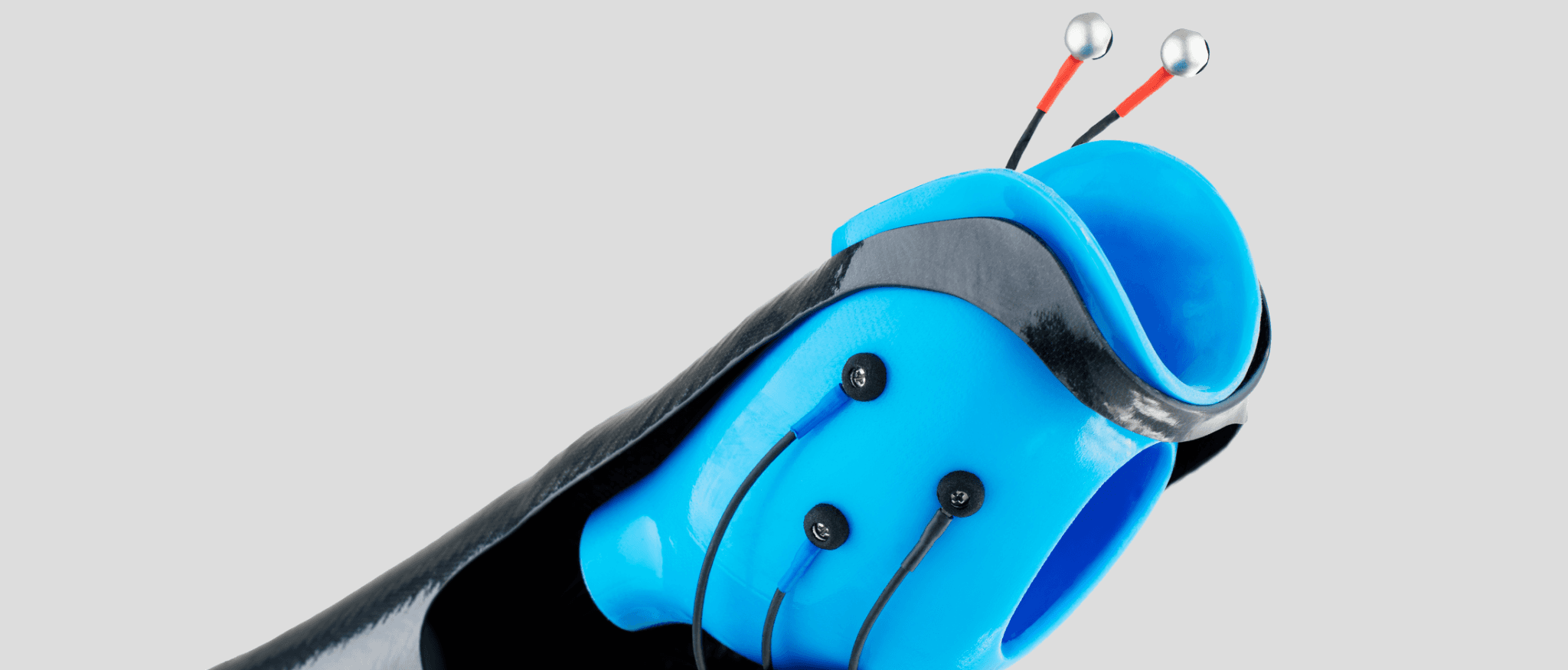
When you're in the thick of it, there's a lot to contend with: sweat, dust, and the elements, but don't worry, we've got solutions for that. Using protective coverings or fairings can keep your sensors out of harm's way, while regular cleaning ensures that your signal detection stays on track.
It's all about keeping your device free from debris, and that simple act can prevent a lot of performance issues down the line.
On-Site Repairs - A Game Changer
Even with the best design, we still need to do the odd bit of maintenance. But what if I told you that our bionic hands are designed to be modular? This means that you can replace individual components without losing access to the whole thing.
Aether Biomedical is all about going with a modular approach, which lets you do on-site repairs when and where you need to. It's especially important when training consistency is everything, you can't afford to lose weeks to a delayed repair.
Power Management - The Secret to Long-Lasting Performance
And then there's power management. When you're out for a long ride or training session, you need to know that your bionic hand is going to keep going, and that's where high-capacity batteries and smart power management come in.
It's about keeping a close eye on those battery levels so that you can avoid unexpected interruptions.
This is also about the bigger picture, like the cost of a bionic hand and the overall bionic hand price. By thinking about the long game and planning for charging and backup solutions, you can make sure your performance stays consistent.
Frequently Asked Questions
Would a Bionic Hand Be Strong Enough for Some Serious Weightlifting at the Gym?
Zeus V1 provides up to 152 N of grip force, while Zeus S provides up to 120 N, giving clinicians two strong myoelectric hand options to match different patient needs. For activities that may involve heavier loads, impact, or unusual strain, users should always consult their clinician or prosthetist first to confirm appropriate and safe use.
What If I Fall While Running or Cycling with a Bionic Hand?
Zeus hands are designed with robust, impact-resistant finger mechanisms that help reduce the risk of internal damage during everyday use. While no prosthetic hand can guarantee complete protection from damage, Zeus is built for practical reliability and fast serviceability. In case of damage, Zeus V1 can be repaired in under 30 minutes, while Zeus V2 can be repaired in under 10 minutes..
Can a Bionic Hand Grip a Tennis Racquet or Golf Club?
Yeah, we've got adaptive grip modes that will let you hold onto just about any sports equipment. And proportionate control will let you adjust grip strength to match the job at hand.
Is the Zeus Bionic Hand Waterproof for Swimming or Water Sports?
Zeus hand must be kept away from water and moisture. They should not be submerged, sprayed with liquid, or used during activities where water exposure is likely. If water reaches the internal components of the hand or arm, there is a risk of damage or failure, and water damage is not covered by the warranty. If the Zeus hand is splashed, switch it off immediately, remove the prosthesis, dry it with a cloth where possible, and contact your prosthetist before using it again.
Does a Bionic Hand Have Enough Grip Force to Hold Onto a Moving Object?
Yeah, pretty much, our systems have high grip force, which is great for handling objects in motion, like a hockey puck.
How Do You Protect the Sensors from Getting All Sweaty During a Serious Workout?
Just use some protective coverings and make sure to clean your device out on a regular basis; that should keep the sensors nice and clear.
Conclusion
If you actually want to take your performance to the next level, the next step is to explore solutions that are designed for real-world, everyday use and built to handle consistent activity. Aether Biomedical continues to push innovation forward with the Zeus hands, combining durability, control, and a modular design that supports quick repairs and long-term reliability.
With the right technology and expert clinical support, you can train harder, move more efficiently, and build confidence in how your prosthesis performs day to day.
Reach out to the Aether Biomedical team today using the contact form on this site and start the conversation. A clinician can walk you through the options and help you take the next step toward a solution that truly supports your performance.

Read On
See Zeus in action across clinical settings worldwide