How Silicone Sockets Improve Prosthetic Comfort

A prosthetic socket is one of the most important parts of any upper-limb prosthetic setup, including when someone uses a bionic hand. It is the part that connects the residual limb to the prosthetic device, so comfort, fit, and skin protection matter every day.
For upper-limb prosthetic users, socket comfort can affect how long the device can be worn, how secure it feels, and how easily the user can complete daily tasks. Silicone may help by creating a softer, more flexible interface between the residual limb and the socket structure.
Aether Biomedical does not manufacture sockets. Sockets are provided by qualified clinicians, who assess the residual limb, fitting needs, skin condition, and prosthetic goals before recommending a socket design.
How Do Silicone Sockets Enhance Daily Comfort for Amputees?
Silicone sockets may enhance comfort by creating a cushioned interface between the residual limb and the prosthetic system. Instead of having sensitive tissue press directly against a harder socket surface, silicone can provide a flexible layer that may help reduce pressure, friction, and irritation.
Medical-grade silicone is often used because it is soft, flexible, and durable enough for repeated daily wear. It can help cushion tissue while supporting a secure fit when shaped and fitted correctly by a clinician.
Rigid socket discomfort can come from several sources. Focal bone pressure happens when one small area takes too much force. Skin friction happens when the limb moves inside the socket and rubs against the surface. Restricted movement can make the socket feel stiff or uncomfortable during daily use.
A custom silicone socket for residual limb comfort may help by spreading pressure more evenly, reducing rubbing, and allowing a small amount of controlled flexibility during movement.
What Are the 5 Steps Silicone Sockets Take to Reduce Residual Limb Pain?
Silicone can support comfort in several practical ways. The exact result depends on fit, socket design, skin condition, activity level, and clinical adjustment.
Step1. Cushioning residual bone and sensitive tissue
Silicone can help absorb direct pressure so harder socket materials do not press as sharply into sensitive areas. This may be especially helpful around bony areas, tender tissue, or healed surgical scars.
Step 2. Reducing skin friction and chafing
One of the main silicone prosthetic liner advantages is that the material can create a smoother contact surface against the skin. When fitted correctly, it may help reduce internal slipping that can lead to rubbing, redness, or blisters.
Step 3. Absorbing rotational shear forces
Shear force means a twisting or sliding force across the skin. Reducing shear stress in prosthetic sockets matters because repeated rubbing or twisting can irritate skin. Silicone can flex slightly with movement, helping absorb some of that stress.
Step 4. Adapting to daily residual limb changes
The residual limb can change shape slightly through the day because of muscle activity, temperature, and wear time. Silicone’s flexibility allows the interface to stretch and settle around these small changes more comfortably than a rigid surface alone.
Step 5. Supporting secure suspension
Suspension means how the prosthesis stays attached. Silicone can support suction or locking suspension by creating close contact with the skin. A secure fit may help reduce unwanted movement inside the socket.
How Does Silicone Compare to Gel and Thermoplastic Sockets for Long-Term Comfort?
Silicone, gel, and rigid thermoplastic materials can all be used in prosthetic care, but they feel and behave differently. The right choice depends on the user’s skin, sensitivity, activity level, socket design, and clinician recommendation.
Silicone is valued for its balance of flexibility, shape stability, and durability. It can provide cushioning while maintaining its form under repeated use. A flexible silicone prosthetic socket benefit is that it can move slightly with the body while still supporting a controlled fit.
TPE gel materials are often soft and cushioning. When comparing silicone liner vs gel liner comfort, gel may feel softer for some users, while silicone may offer more structure and durability for others. The best choice is individual and should be tested through clinical fitting when possible.
Rigid thermoplastic sockets provide structure and support, but they may feel less forgiving in sensitive areas if the fit is not well matched to the residual limb. Some designs combine a firmer socket frame with a softer inner interface to balance support and comfort.
Moisture is another factor. Sweat buildup can affect comfort and skin health. Some silicone designs may include perforation or ventilation features to help manage heat and moisture, depending on the socket design selected by the clinician.
How Do Custom Silicone Sockets Protect Sensitive Skin, Prevent Skin Irritation, and Safeguard Surgical Scars?
Custom silicone sockets may protect sensitive skin by cushioning uneven areas and reducing direct pressure points. This can be important for users with delicate skin, tender scar tissue, or bony areas that are easily irritated.
A custom silicone socket can be molded around the residual limb’s shape. This helps the clinician account for bony prominences, soft tissue changes, and irregular surgical contours. Instead of forcing the limb into a hard shape, the socket interface can be designed to support the limb more evenly.
Silicone interface pressure distribution means spreading force across a wider contact area. In plain terms, the goal is to avoid one small spot taking too much pressure. Better pressure distribution can help improve comfort and reduce the risk of localized soreness.
Consistent silicone contact may also help protect scar tissue from rubbing. Users with scar sensitivity should still work closely with a qualified clinician, especially if redness, pain, heat, skin breakdown, or unusual swelling appears.
How Does Improved Socket Comfort Increase Prosthetic Device Usage?
Improved socket comfort can support prosthetic socket wear time improvement because users are more likely to wear a device that feels secure, stable, and tolerable. If the socket causes pain, rubbing, or pressure, the user may remove the prosthesis more often or avoid using it for certain tasks.
A more comfortable socket can make everyday activities easier to approach. This may include work tasks, household routines, office activities, personal care, or other functional goals recommended by the clinical team.
Comfort does not come from material alone. It depends on fit, suspension, alignment, skin care, training, and regular follow-up. A Certified Prosthetist and Orthotist or qualified clinician can fine-tune silicone thickness, socket fit, suspension method, and overall comfort over time.
For users considering an upper-limb prosthetic device such as the Zeus hand, socket comfort remains part of the clinical fitting process. Zeus hands are fitted by qualified clinicians and are intended for mild-to-moderate daily activities. The socket is provided by the clinician, not Aether Biomedical.
How Does Socket Comfort Support Bionic Hand Use?
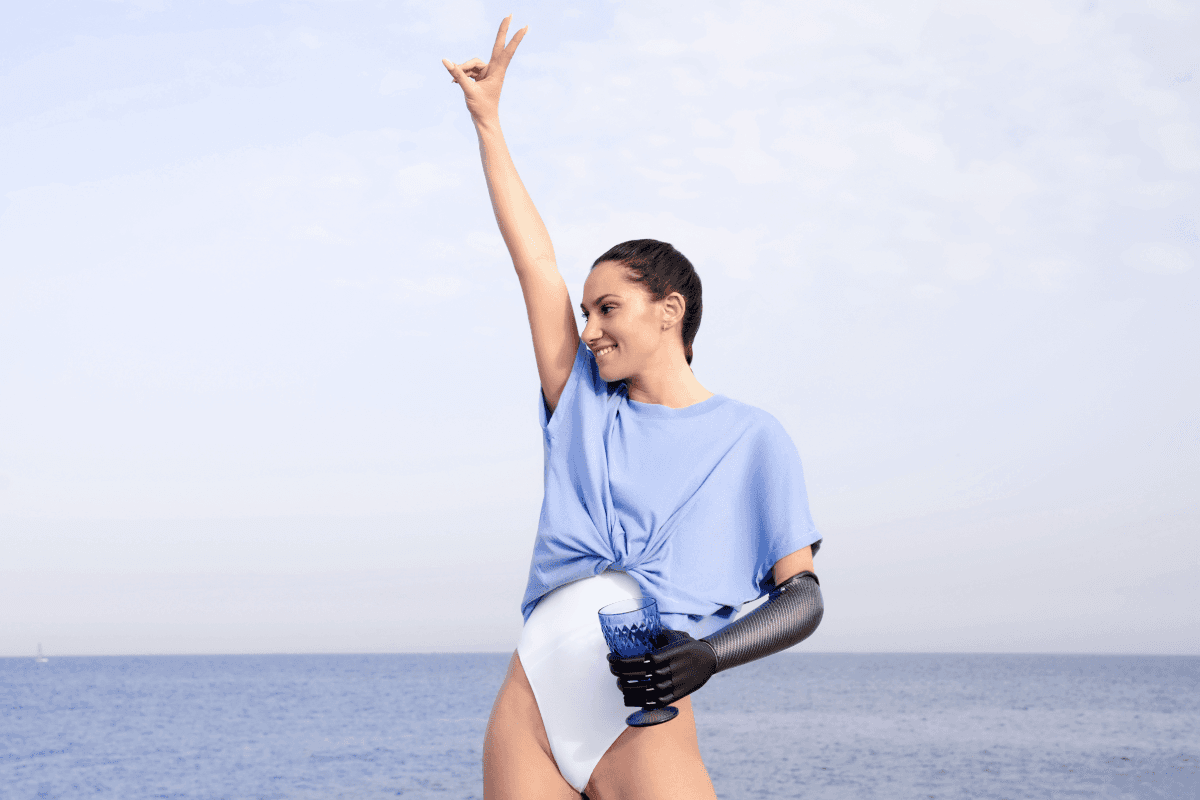
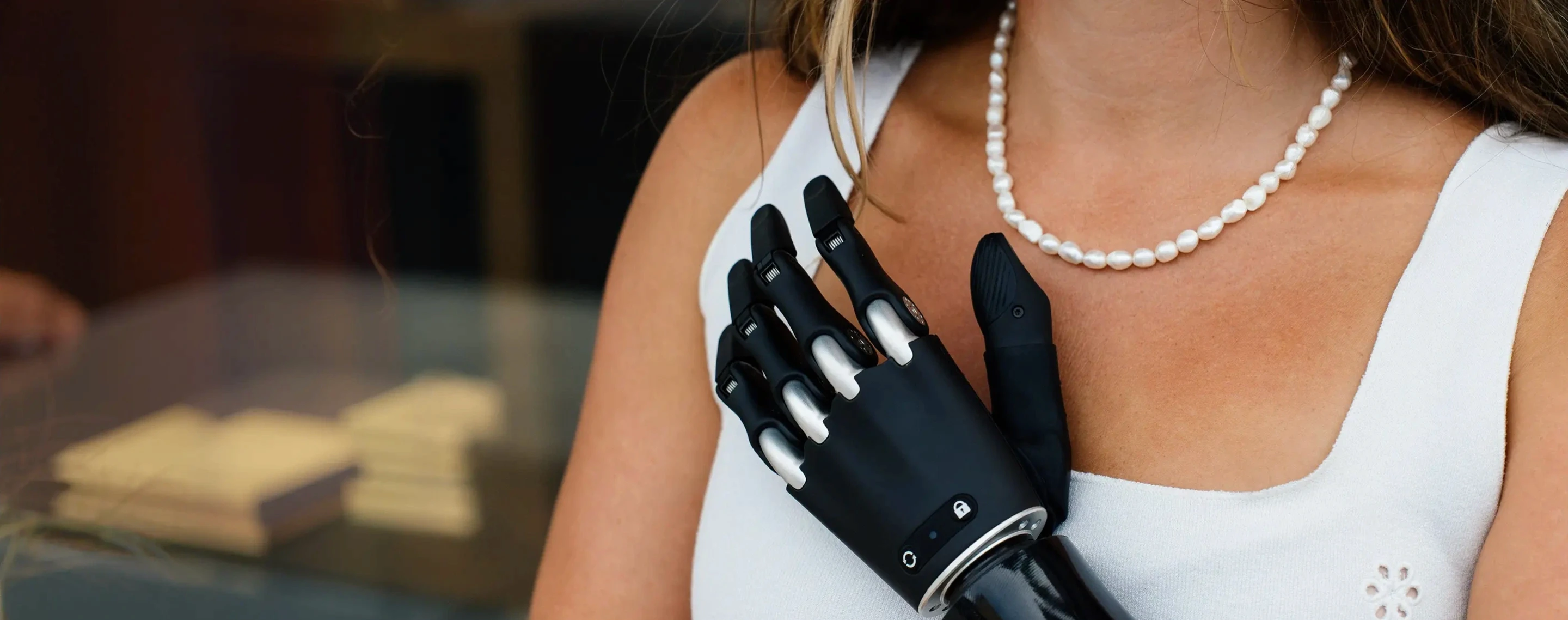
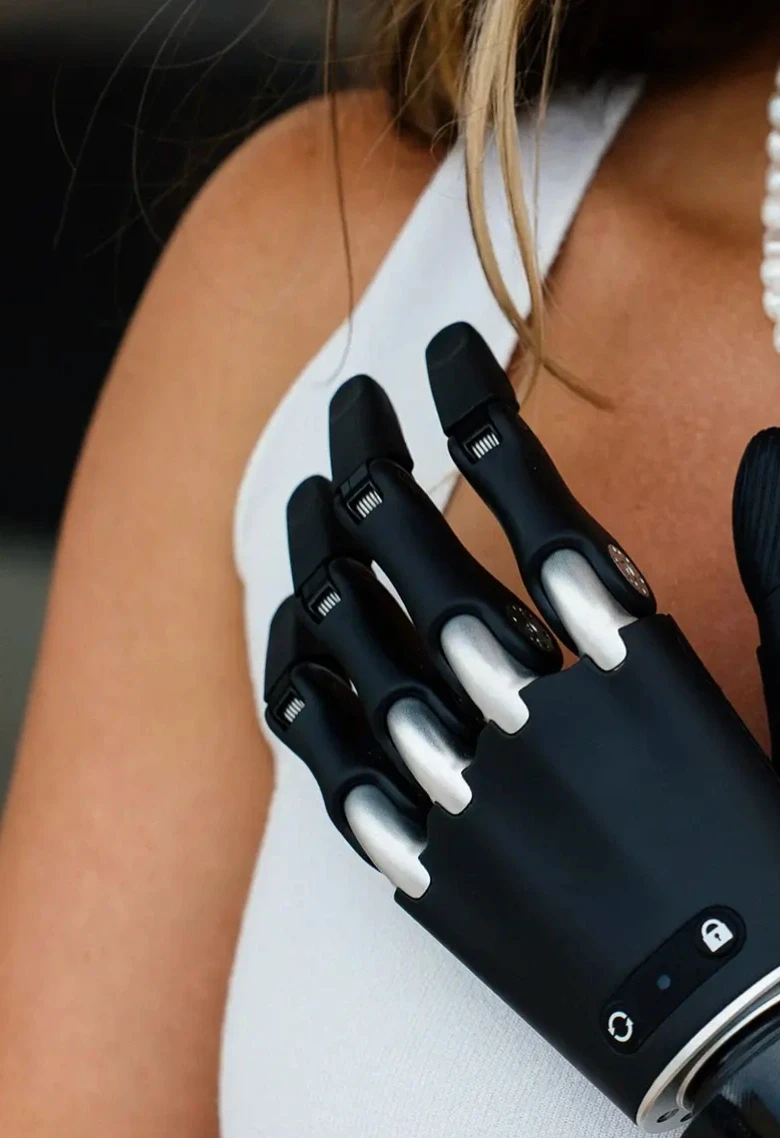
Socket comfort matters for any upper-limb prosthetic setup, including users exploring a bionic arm, bionic hand, prosthetic bionic hand, Robotic Hand, or robotic hand prosthetic; a bionic arm is a computer-powered artificial replacement for a missing upper limb. These terms are often used during early research, but the clinical focus should stay on fit, comfort, control, and daily function.
Many systems use myoelectric control, with small sensors placed on the skin to detect electrical changes from muscle contractions and help the prosthetic hand respond more intuitively. A microprocessor translates those signals into motor commands, and electric motors move the fingers, wrist, or elbow.
A comfortable socket may help the user tolerate the prosthesis for longer periods, especially when the device is being used for everyday tasks that require more than one grip and improved ability compared with traditional options.
For users considering a Zeus hand, the socket is still provided by the clinician, not Aether Biomedical, and comfort around the residual limb below the elbow remains part of that fitting process.
Zeus hands are fitted by qualified clinicians and are intended for mild-to-moderate daily activities that support more natural, human movement.
Robotic Hand Price is also a common search term, but pricing should not be included in Aether content. The more useful discussion is whether the user’s clinical needs, socket comfort, and activity goals support the chosen prosthetic option.
FAQs
How does a silicone socket improve prosthetic comfort compared to rigid plastic?
A silicone socket provides a softer, more flexible interface between the residual limb and the socket structure. It can help cushion sensitive tissue, spread pressure more evenly, and reduce hard contact against tender areas.
Can silicone prosthetic sockets help reduce skin blisters and friction?
Yes, silicone prosthetic sockets may help reduce friction when they are properly fitted. The material can create smoother contact with the skin and reduce unwanted rubbing inside the socket.
Are silicone prosthetic sockets suitable for sensitive skin or scar tissue?
They may be suitable for some users with sensitive skin or scar tissue, depending on clinical assessment. Silicone can help cushion delicate areas, but any skin concern should be reviewed by a qualified clinician following standard clinical protocols.
Do silicone sockets help keep the prosthesis securely attached?
Silicone can support secure suspension by creating close contact with the residual limb. Depending on the design, it may be used with suction or locking suspension methods to help reduce unwanted movement.
Does a silicone socket help with residual limb volume changes during the day?
Silicone’s flexibility may help accommodate small daily changes in residual limb shape. Larger fit changes still need clinical review, as socket comfort and suspension depend on accurate fit.
Conclusion
Silicone sockets can play an important role in prosthetic comfort, especially for users who experience pressure, rubbing, or sensitivity inside the socket. By cushioning tissue, supporting pressure distribution, and allowing controlled flexibility, silicone can make the prosthetic interface feel more manageable during daily wear.
The key is proper clinical fitting. Material choice alone cannot solve every comfort issue. A qualified clinician should assess the residual limb, skin condition, socket design, suspension method, and daily activity goals before recommending the best approach.
If socket comfort is affecting daily prosthetic use, speak with a qualified prosthetist or clinical team. They can assess fit, skin response, suspension, and wear tolerance, then recommend adjustments that support safer and more comfortable use. Contact Aether Biomedical today for more info.

Read On
See Zeus in action across clinical settings worldwide