Common Challenges With Upper Limb Prosthetics & Solutions

Common challenges with upper limb prosthetics include socket discomfort, devices that feel too heavy or poorly sized, complicated grip menus that create mental fatigue, signal errors caused by cross-talk or sweating, fast battery drain, long repair downtime, and calibration that stops matching the user over time.
A bionic hand may offer advanced grip patterns, powered movement, and digital tuning, yet daily use can still become frustrating when any part of the full system works against the person wearing it.
These problems often build slowly. A user may start by wearing the device less during long days, avoid certain tasks, or lose trust in control consistency.
Over time, the prosthesis can become something they own but no longer rely on, which is why comfort, reliability, and service support matter as much as grip performance itself.
For amputees exploring advanced bionic prosthetics, and for clinicians, prosthetists, distributors, or rehabilitation centers comparing robotic hand options, the key question is not only whether a device can perform in a controlled setting.
It is whether the full fitting, control, battery, repair, remote support, and clinical evaluation process can hold up in real life, and understanding those failure points helps users and care teams choose and optimize prosthetic solutions that are actually adopted.
Why Do Chronic Socket Comfort Issues Lead to Prosthetic Abandonment?
Socket comfort is one of the most important parts of upper limb prosthetic success because the socket is in contact with the residual limb throughout the day. If the socket causes rubbing, pressure, heat, or irritation, even an advanced bionic arm can become difficult to wear.
Traditional socket electronics may take up valuable space inside the socket. When internal components sit proud of the socket wall, they can create localized pressure points. Over hours of wear, those pressure points may lead to skin chafing, soreness, blisters, or tissue irritation.
Myoelectric control adds another layer. A myoelectric prosthesis depends on clean contact between the user’s skin and the electrodes that read muscle signals. Sweat inside the socket can interfere with that connection. When signal quality drops, the hand may respond slowly, misread intent, or fail to respond at all.
Aether MyoSense is designed to support more reliable EMG signal capture in everyday use. It uses a compact dual-channel EMG system to translate muscle activity into control signals.
Aether also describes real-time skin-contact diagnostics, which help clinicians confirm electrode placement and support more consistent control during fitting and ongoing care.
Aether does not manufacture sockets. Sockets are provided and fitted by qualified clinicians. But a low-profile electrode system can help clinicians build a cleaner socket layout, reduce unnecessary bulk, and support better signal stability.
How Can Inflexible Device Sizing Cause Back and Shoulder Strain?
Poor sizing can make a prosthesis harder to wear because weight and proportion affect the whole body. If a bionic hand is too large, too heavy, or poorly matched to the user’s build, the person may compensate with the shoulder, neck, or back.
This is especially important for smaller adults and users who need a more compact fit. A device that feels manageable for a short clinic test may feel very different after hours of reaching, carrying, typing, cooking, or moving through a workday.
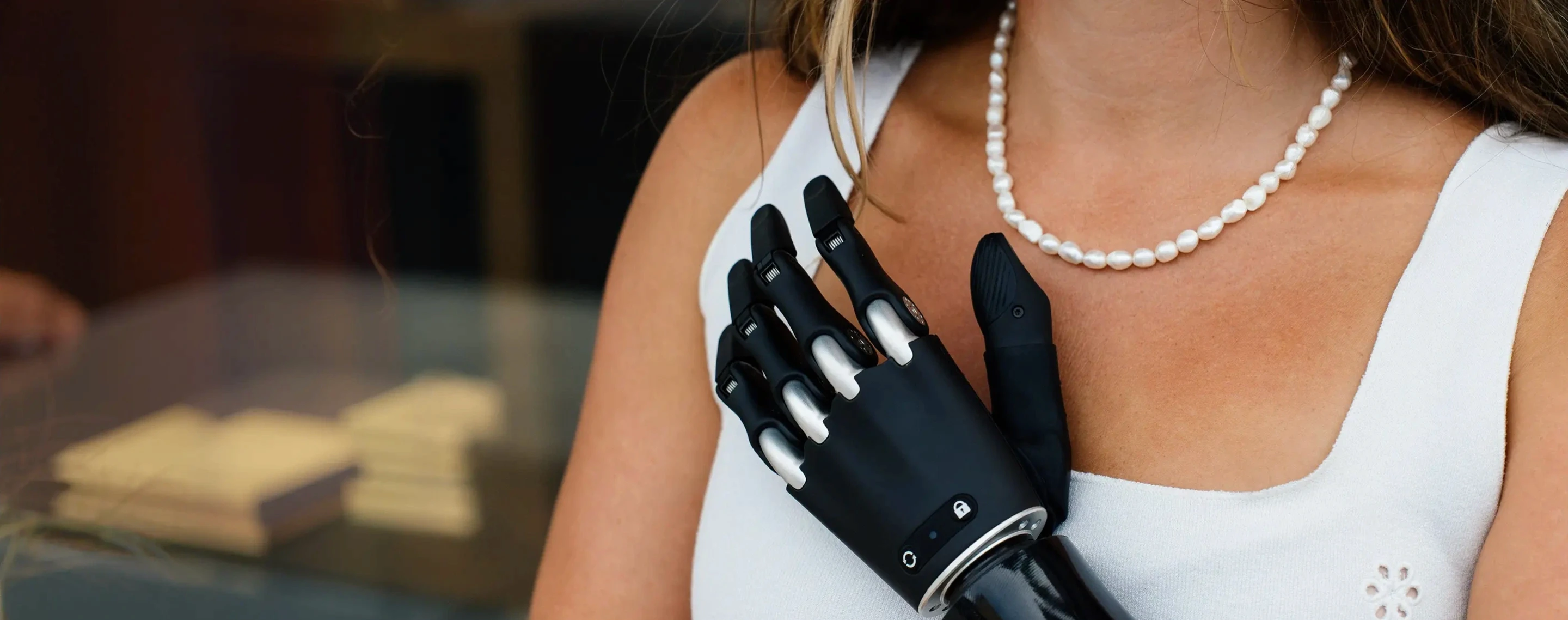
The Zeus hand portfolio gives clinicians more fitting flexibility because it is available in small and medium options: Zeus S and Zeus M. Aether lists Zeus S EQD at 480 grams and Zeus S Flex at 530 grams. Zeus M EQD is listed at 503 grams, while Zeus M Flex is listed at 553 grams.
That size range helps clinicians choose a bionic robot hand that better matches the user’s body, activity level, and socket design. Zeus hands are intended for mild-to-moderate daily activities, and users should consult their clinician before demanding or specialized activities.
Why Do Complicated Grip Menus Trigger Mental Exhaustion for Bionic Users?
A robotic hand should reduce effort, not add constant mental work. When users have to remember long sequences of muscle pulses just to change grip patterns, the device can become tiring to control.
This kind of fatigue is not always obvious from the outside. A user may be able to switch grips in a clinic, but daily life is more distracting. They may be carrying groceries, talking to someone, moving quickly, or feeling physically tired. In those moments, complex control sequences can make the prosthesis feel less practical.
Zeus hands offer 14 predefined grip patterns alongside 3 user-configurable profiles. This gives clinicians a way to set up common daily grips while also tailoring custom patterns to the user’s routine. Each finger can be configured, helping the grip match the person’s actual tasks rather than forcing every user into the same control setup.
The benefit is not simply more grip options. It is better access to the grips that matters most. A user who regularly handles a phone, carries a bag, uses a keyboard, holds a bottle, or operates a spray bottle may need different grip priorities from another user. Configurable grip patterns help the prosthesis fit the workflow.
How Do Signal Cross-Talk and Muscle Isolation Failures Disrupt Grasp Reliability?
Signal cross-talk happens when nearby muscle signals overlap. In a residual limb, muscle activity can be subtle, close together, or affected by fatigue. If a system cannot clearly separate those signals, the hand may misunderstand the user’s intent.
That can lead to unreliable grasping. The hand may open when the user wants to close, switch at the wrong time, or fail to respond to a faint contraction. Over time, this can reduce confidence. A user who does not trust the hand may avoid using it for delicate or important tasks.
Aether MyoSense uses independent EMG channels to support open and close control signals. Aether also describes digitally adjustable gain and adaptive smoothing, which allow clinicians to tailor signal response to the user’s muscle profile.
This matters because residual muscle control can change during rehabilitation. A system that can be monitored, adjusted, and optimized gives clinicians a clearer way to respond when signals become inconsistent.
What Makes Rapid Mid-Day Battery Drain a Persistent Safety Risk?
A powered upper limb prosthesis depends on reliable energy. If the battery runs low during the day, the user may lose access to active grip control when they need it most.
Multi-articulating bionic prosthetics can draw significant power because several motors and control systems may be active during repeated use. Grip frequency, grip force, activity type, user settings, and the full prosthetic setup can all affect daily power needs.
The Aether Battery System is designed to support Zeus and compatible powered prosthetic devices. It includes a high-capacity 2800mAh battery, socket-mounted LED power monitoring, and USB-C charging. The LED display gives users clearer visibility of power levels, while USB-C charging supports more practical charging through the socket.
This is also relevant when people search for bionic hand cost or bionic hand price. Aether does not publish universal pricing because the final cost depends on the country, clinical services, socket requirements, the complete fitting solution, and the technology involved, since advanced systems are typically less affordable.
Sourcing an advanced upper-limb prosthesis involves navigating complex private insurance and regional healthcare pathways. Devices that meet standard medical necessity criteria and are covered by Medicare are frequently also covered by major private insurance providers, but coverage policies vary widely by company and individual plan. Users should work closely with their fitting clinician to review their explicit benefits, verify required prosthetic billing codes, and confirm what insurance covers before making final component selections.
Still, battery planning should be part of the value discussion. A hand that is easier to monitor and recharge can reduce daily uncertainty.
Why Do Weeks of Factory Repair Downtime Force Amputees to Go Without Their Prosthesis?
Repair delays can break daily habits. If a user has to send an entire bionic hand away because of one damaged component, they may spend weeks adapting to life without it. Once that happens, returning to regular wear can feel harder.
This is one of the practical reasons modularity matters. A small mechanical issue should not always require long manufacturer downtime.
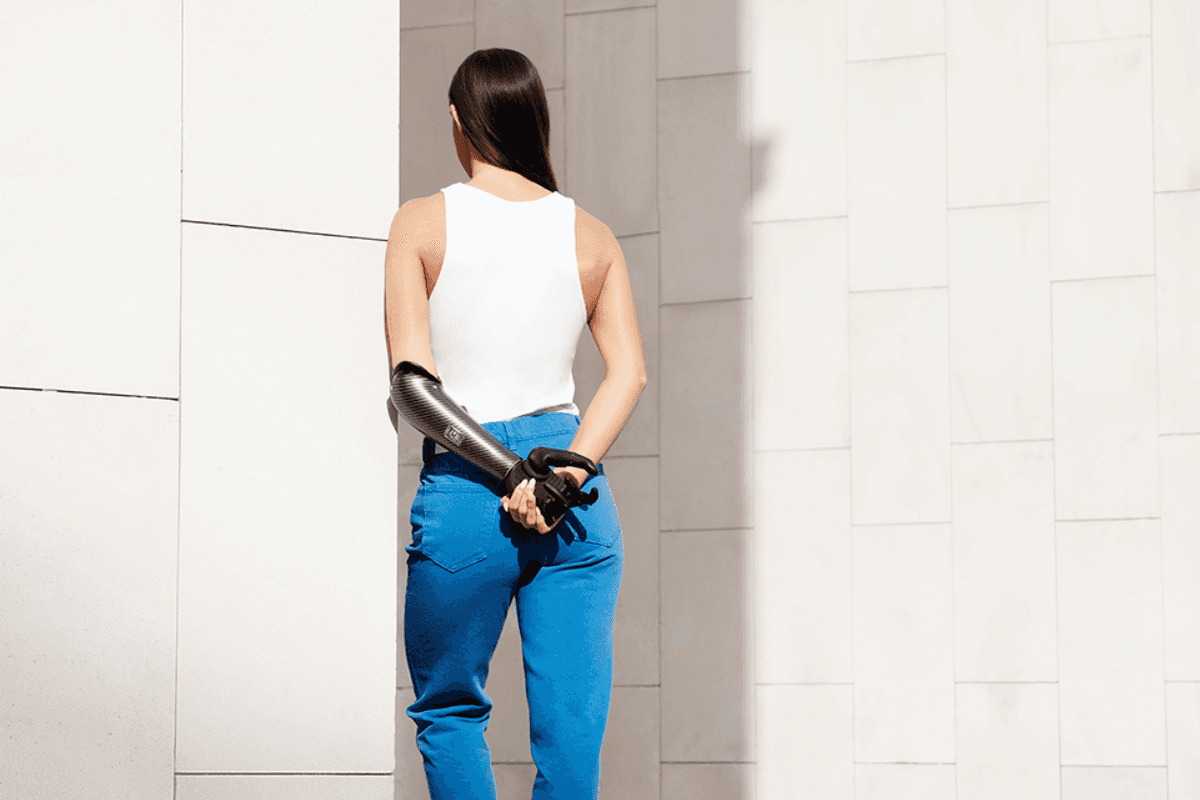
Zeus hands are designed with local serviceability in mind. Aether states that Zeus hands can be repaired fast and locally by accredited clinicians. The model matters here: The standard configuration of the Zeus hand can be repaired in under 30 minutes, while Zeus S can be repaired in under 10 minutes by qualified clinicians.
For users, this can protect continuity. For clinics, it can reduce the burden of sending complete devices away for minor component issues. For long-term adoption, faster repair supports one simple goal: keeping the user in the habit of wearing and using the prosthesis.
How Do Stationary Calibration Formats Fail Evolving Muscle Profiles?
Stationary calibration formats fail to evolve with muscle profiles because static configurations cannot adapt when a user's muscle strength, endurance, or control thresholds change over time.
During personalized rehabilitation, a patient's physiological signals naturally shift, causing a statically calibrated device to become overly sensitive or slow to respond unless settings are continually adjusted.
Static calibration can become a problem when the device settings no longer match the user’s body. If the hand becomes too sensitive, too slow, or too difficult to trigger, the user may need an adjustment. When every minor change requires a clinic visit, frustration can build quickly.
The Aether Digital Platform supports remote configuration, monitoring, clinician communication, EMG review, goals, firmware, and usage monitoring. Clinicians can review device data and adjust settings remotely when appropriate. Patients can also use the companion app to adjust settings established by their clinician.
Prosthetic arms still typically need regular check-ups every 6–12 months, and that follow-up is essential even when remote tools are available. This creates a more responsive support model. Instead of waiting for every small issue to become a major appointment, clinicians can use performance data and remote tools to support ongoing optimization.
What Should Clinicians Evaluate, Including Prosthetic Arm Cost, Before Recommending a Bionic Hand?
A bionic hand should be evaluated as part of a full clinical system, not as a standalone product. The hand matters, but so do the socket, electrode setup, battery system, software support, repair pathway, and user training.
Clinicians and users should consider:
Socket comfort across a full day of wear
Skin sensitivity and electrode placement
Signal quality during sweat, fatigue, and movement
Device weight and size match
Grip patterns needed for daily routines
Battery visibility and charging access
Local repair options and expected downtime
Remote tuning and follow-up support
Suitability for mild-to-moderate daily activities
A strong fitting process also includes clear expectations. Users should understand what the device is designed to do, what activities require clinician guidance, and how to get support when comfort, control, or function changes.
FAQs
Why do many amputees eventually stop wearing their upper limb prosthesis despite insurance coverage?
Many users stop wearing an upper limb prosthesis when comfort, control, weight, function, repair delays, or daily effort become too frustrating.
Abandonment often happens gradually as the device becomes less useful in real routines, and abandonment rates for upper limb prosthetics can reach up to 50%.
Psychosocial effects, including self-image and social interaction challenges, can also reduce use and affect daily impact.
How does Aether MyoSense support sensitive skin inside the socket?
Aether MyoSense supports a cleaner socket setup through compact EMG hardware and real-time skin-contact diagnostics. The socket itself is designed and fitted by the clinician, but MyoSense can help clinicians monitor electrode contact and signal quality.
What should I do if my multi-articulating bionic hand dies during the day?
Follow your clinician’s guidance and avoid relying on the hand for active tasks until power is restored. The Aether Battery System supports socket-mounted LED monitoring and USB-C charging, helping users see power levels and recharge more conveniently.
Can I adjust the grip settings on a Zeus hand without traveling to a clinic?
Clinicians can remotely configure the Zeus hand via web software through the Aether Digital Platform, making it easy for patients to learn the setup process and get started with settings already tailored to their needs.
The companion app also allows patients to adjust settings that have been established by their clinician, and for more details or support, they can reach the Aether team.
How long do repairs take if a single finger breaks on a modular prosthesis?
Aether guidance states that the standard configuration of the Zeus hand can be repaired in under 30 minutes, while Zeus S can be repaired in under 10 minutes by qualified clinicians.
Why do traditional myoelectric hands misread muscle signals when you sweat?
Sweat can affect the contact between the skin and electrodes. When that contact becomes unstable, the prosthesis may receive unclear EMG signals. This can cause delayed response, unintended movement, or control failure.
Is a bionic robot hand the same as a standard upper limb prosthesis?
Not always. A bionic robot hand usually refers to a powered, multi-articulating hand with electronic control, while an upper limb prosthesis can include different types of devices and fitting approaches.
A clinician can help determine which option fits the user’s anatomy, goals, and daily activity needs for a prosthetic arm or other solution. Advanced prosthetics are often more functional, but they also tend to cost more because of their technology and added functionality.
In Short
Common challenges with upper limb prosthetics often come from the full user experience, not just the hand itself. Socket comfort, signal quality, device weight, grip control, battery planning, repair speed, and calibration all affect whether a person keeps wearing the prosthesis.
Aether’s approach addresses these issues through Zeus hand-sizing options, Aether MyoSense electrode processing, the Aether Battery System, local serviceability, and the Aether Digital Platform.
For clinicians and users, the goal is simple: a prosthetic system that is easier to fit, easier to tune, easier to maintain, and more practical for daily life.
Conclusion: Key Considerations for Choosing a Prosthetic Arm
A successful upper limb prosthesis must do more than move. It has to feel wearable, respond reliably, hold enough power for the day, and stay serviceable when something goes wrong.
For amputees, that means choosing a system with the right clinical support. For clinicians, it means looking beyond the bionic hand itself and evaluating the full ecosystem around the device.
Thinking about a bionic hand, bionic arm, or advanced robotic hand? Explore how Aether Biomedical is tackling the real reasons upper limb prosthetics fail in daily life, from socket discomfort and signal issues to battery anxiety and repair downtime.

Read On
See Zeus in action across clinical settings worldwide