How to Choose a Bionic Hand for Your Independence
Some decisions feel overwhelming because they don’t just affect one moment; they shape everything that follows. Choosing a bionic hand is one of those decisions because it directly impacts how we move, work, and connect with the world every day. The goal is not just to replace function but to restore confidence and independence in a way that actually fits real life.
When we approach this choice with clarity and the right information, it becomes far less intimidating. Instead of focusing on features alone, we start thinking about how those features translate into daily use. That shift in perspective is what leads to better long-term outcomes.
Advancements in bionic hand technology are shaping the future of prosthetics, making your decision today one that will have a lasting impact as new innovations continue to evolve and improve the capabilities of these devices.
How do you assess your lifestyle needs before choosing a bionic hand?
Defining Daily Demands
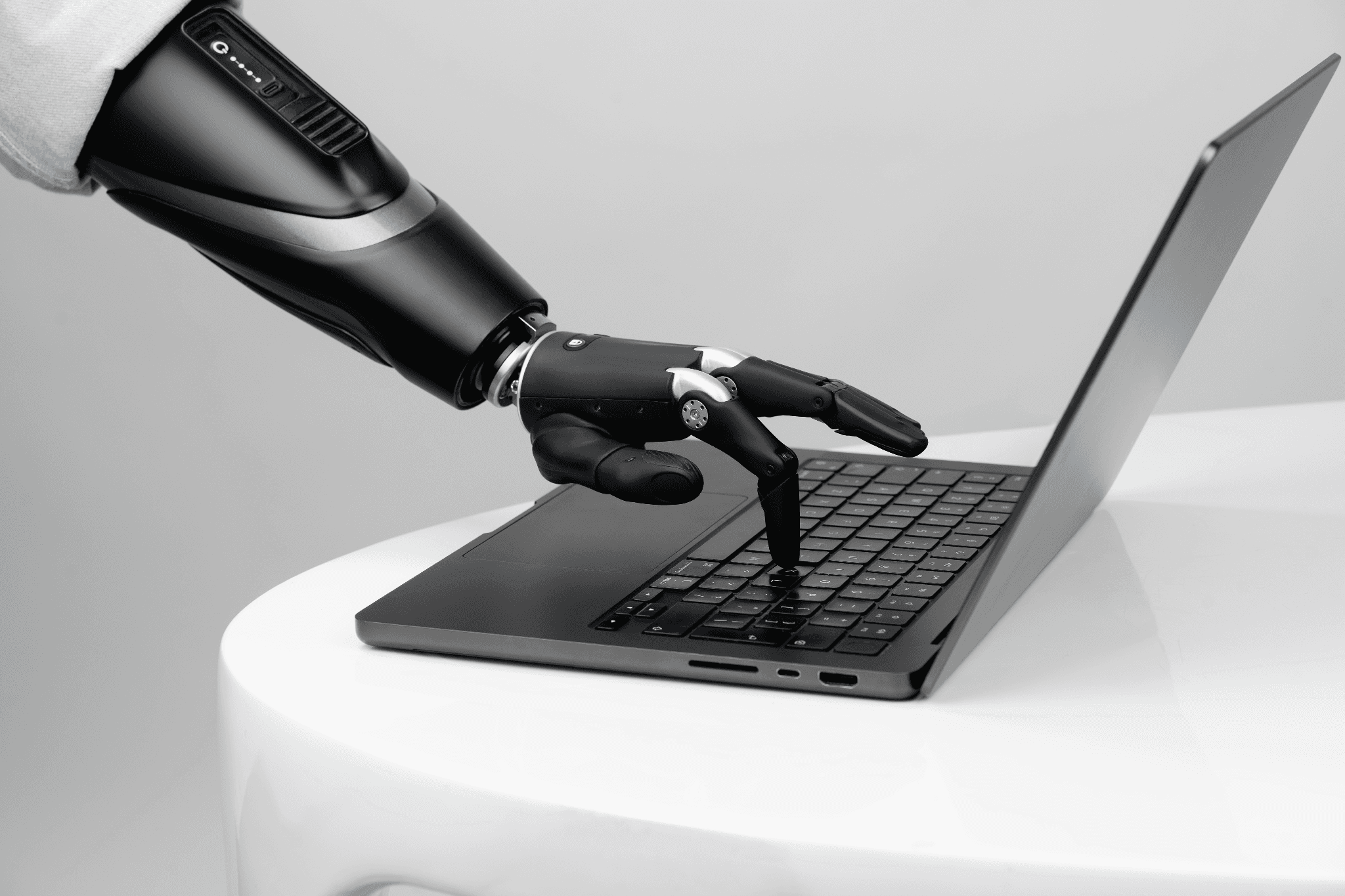
The first step in learning how to choose a bionic hand is understanding our routine in detail. What we do throughout the day should directly influence the type of device we choose. If we spend most of our time working at a desk, our needs will look very different from days filled with lifting, carrying, or tool-based tasks.
We can break this down into two broad categories: high-dexterity tasks and high-impact tasks, both of which are essential for daily living and daily activities.
High-dexterity tasks include typing, handling small objects, and using devices, while high-impact tasks involve lifting, carrying, or repetitive physical work. Identifying where our day sits on this spectrum helps us choose from the best bionic hands for amputees based on real needs rather than assumptions.
When choosing a bionic hand, it is important to assess your daily requirements, including tasks like typing, cooking, or engaging in sports, to determine the necessary functions your prosthesis must support.
The Aesthetics vs. Utility Balance
It’s natural for us to think about appearance when choosing a prosthetic, but practical function should always come first. Devices with multi-articulating fingers and adaptive grip patterns deliver far more long-term value than static, cosmetic designs. Over time, we tend to prioritize what the hand allows us to do, not just how it looks.
Passive prosthetic arms are a functional type primarily designed to restore the appearance of a limb and assist with stabilization tasks, but they do not produce active movement. In contrast, a high-dexterity robotic hand selection often leads to greater satisfaction because it supports a wider range of activities.
Tasks like holding a glass, typing, or using a phone become easier when the hand adapts to different shapes and movements. That adaptability is what makes the biggest difference in daily life.
Bilateral vs. Unilateral Needs
Our needs can also shift depending on whether we’re working with one side or both. If we have one intact hand, the prosthetic often supports and stabilizes tasks alongside the other arm.
If we rely on both sides, the prosthetic becomes a primary tool for interaction, which increases the need for precision and versatility.
This distinction influences how we think about control, grip patterns, and daily use. Matching the prosthetic hand to the opposite side of the body is important for both symmetry and function.
It also shapes how quickly we adapt to different systems. Understanding this early helps us make a more confident and tailored decision. Evaluating comfort and compatibility with different designs is crucial, as some users may prefer a more natural aesthetic while others may seek advanced technology.
What makes grip force and dexterity the most important features?
The 14-Grip Threshold
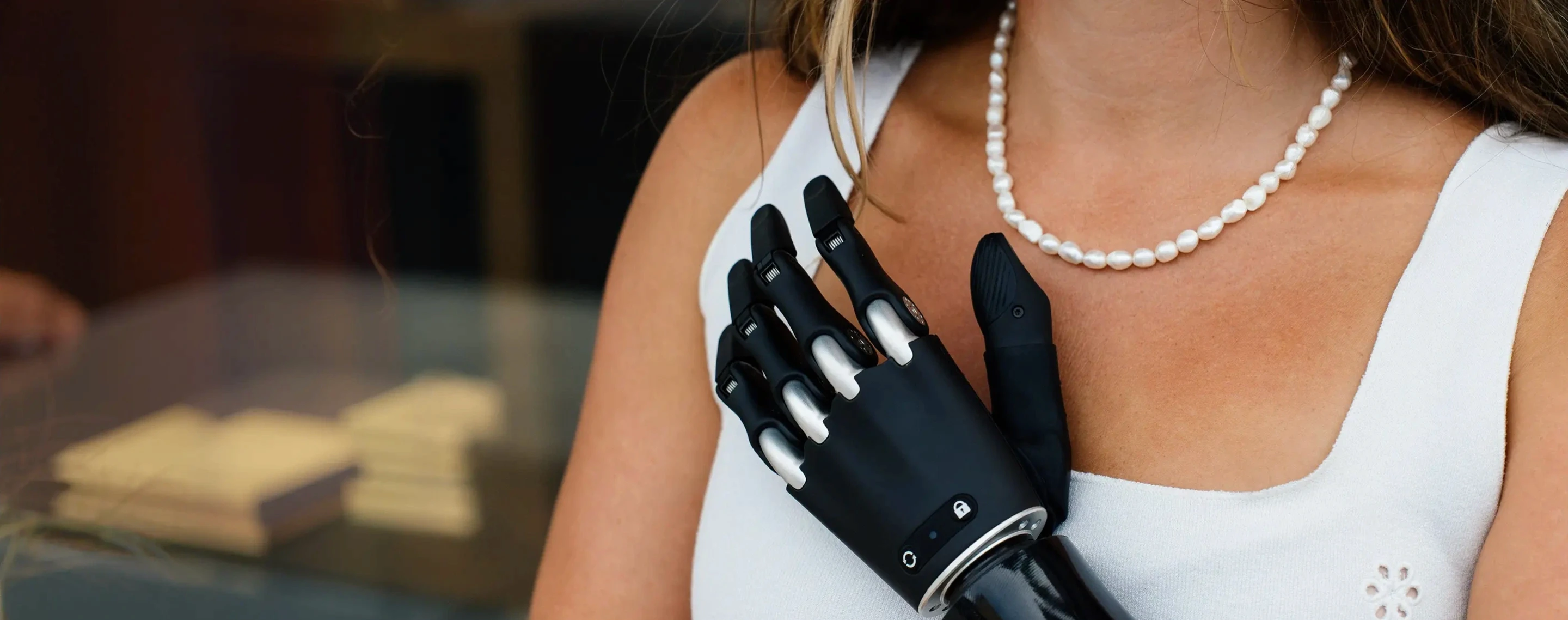
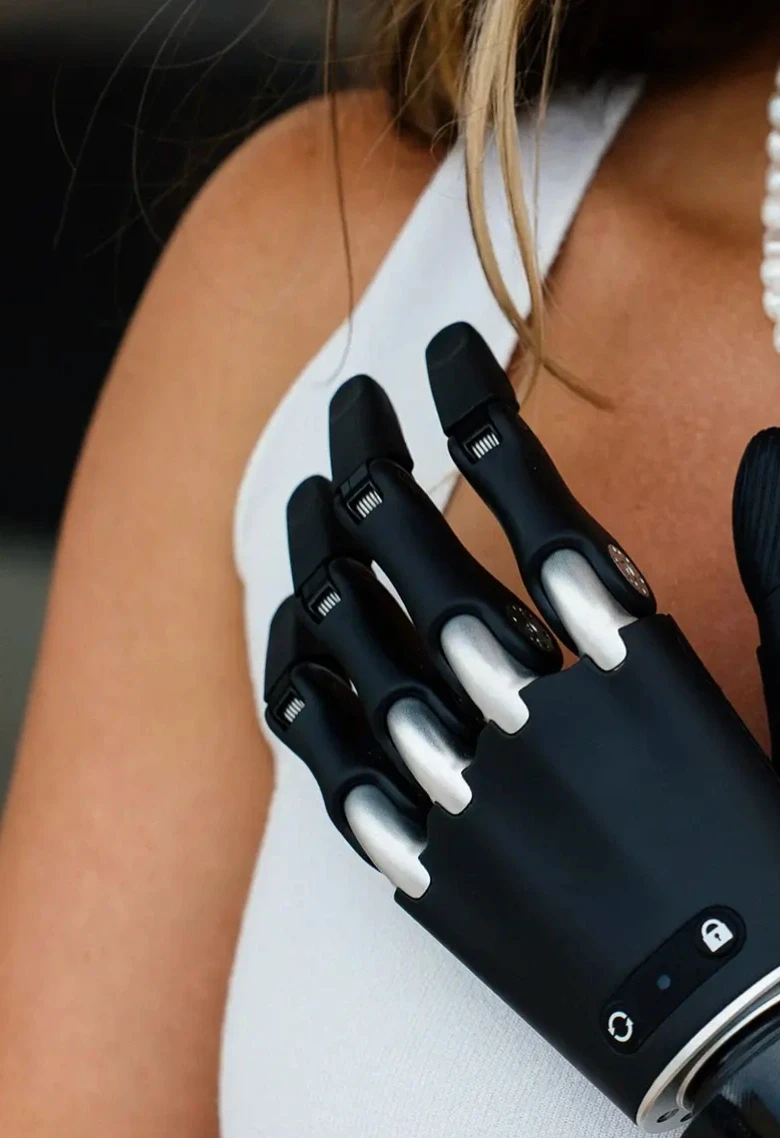
Modern bionic hands are built to handle a wide range of tasks, and grip diversity sits at the center of that capability. A device with a higher number of grip patterns gives us more flexibility across different situations. The Zeus bionic hand specifications include 14 predefined grip patterns, allowing us to move between tasks without friction.
These grips directly impact how we interact with the world. Using a smartphone, picking up coins, performing delicate tasks, or holding a pen all require different approaches. When the hand can adapt to each task, it removes limitations and creates a smoother experience.
Myoelectric prosthetic arms use EMG (electromyography) to read muscle signals from two distinct muscle sites, enabling users to intuitively switch between grip modes and precisely control hand movement.
Strength Benchmarks
Grip strength is one of the most important factors in real-world usability. A hand may look advanced, but without sufficient force and precise control, it cannot perform reliably. The Zeus hand delivers up to 152 N of grip force, giving us the strength and accuracy needed for everyday tasks.
Static load capacity also plays a major role because it determines how securely we can hold heavier objects. Strong grip force and static load benchmarks ensure we can carry, lift, and hold items without slipping. This is what turns functionality into reliability.
Additionally, the weight of a bionic hand can impact comfort and energy consumption, especially during prolonged use.
Proportional Control
Proportional control is what makes a bionic hand feel responsive instead of mechanical. It allows us to operate the hand by adjusting movement speed and strength based on how strongly we activate our muscles. A stronger signal increases force, while a lighter signal enables precision.
This is a defining factor in the myoelectric vs. bionic hand choice because it shapes how natural the experience feels. Instead of switching between rigid settings, we adapt in real time. Over time, this creates smoother, more intuitive movement.
There is no one-size-fits-all solution for bionic hands; choosing the right device means balancing advanced technology with practical needs like weight and durability.
Why should you prioritize impact resistance and local repairability?
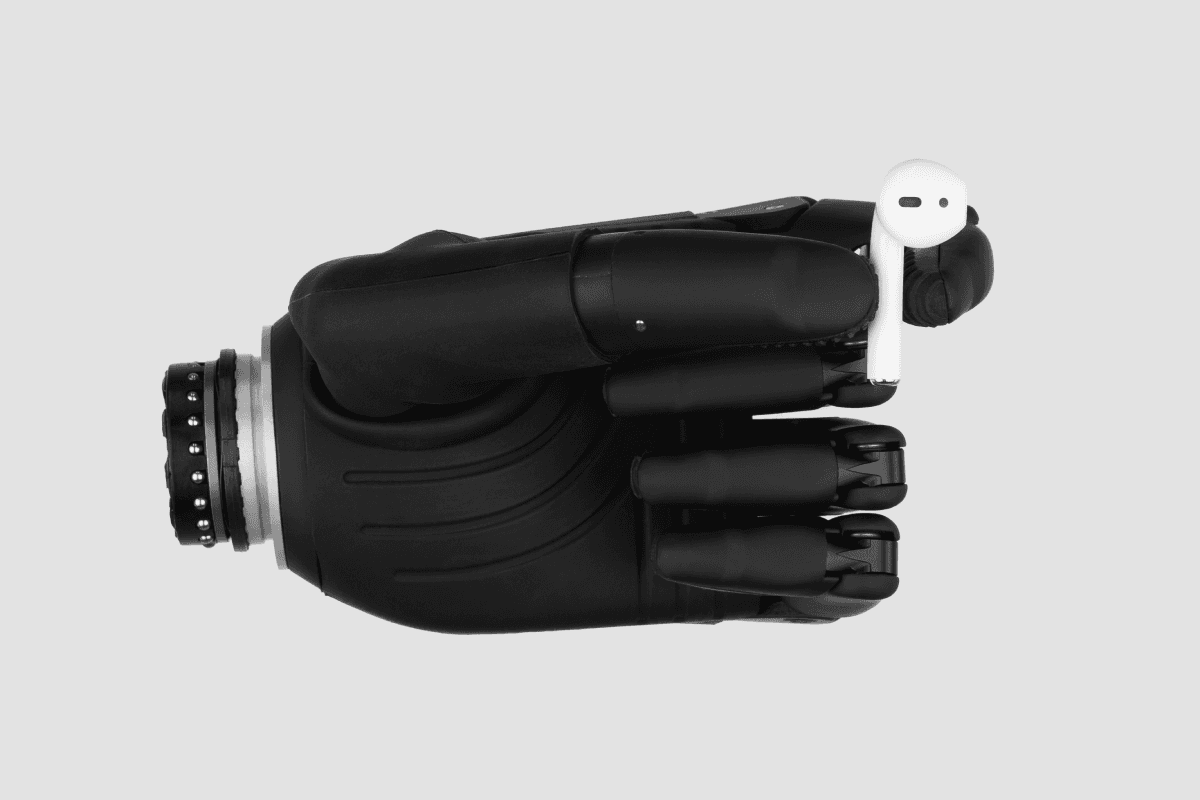
The Fragility Myth
One of the biggest concerns we often have is whether a bionic hand can handle real-world conditions. There’s a long-standing belief that electronic prosthetics are fragile and easy to damage. Modern engineering has changed that in a meaningful way.
Body-powered prosthetic arms are known for their durability and responsiveness, making them a preferred choice for users in physically demanding environments such as construction and manual trades. However, wearing these devices for long periods can become uncomfortable, especially due to the harness, which may lead to fatigue.
The Zeus hand incorporates impact-resistant prosthetic fingers that flex under pressure instead of breaking. This allows us to move more confidently without worrying about every bump or knock. It transforms durability from a concern into a strength.
Modular Design Benefits
Repairability matters just as much as durability in the long run. A modular design allows us to replace individual components without losing access to the entire device. This keeps disruptions to a minimum.
The Zeus hand, developed by Aether Biomedical, is designed with modular bionic hand repairability in mind, allowing components to be replaced quickly. Instead of waiting weeks for repairs, we can get back to daily life faster. That kind of efficiency makes a noticeable difference over time.
Weight and Fatigue
Weight becomes more noticeable the longer we wear the device. Even a small difference can lead to fatigue in the shoulder and back after a full day. Comfort is not just a preference; it directly affects consistency of use.
The Zeus S addresses this with a lightweight design of approximately 480 g. This helps reduce strain and makes it easier to wear throughout the day. When comfort improves, usage naturally follows.
How does software and remote configuration improve your experience?
Tuning Your Signal
One of the biggest advancements in modern prosthetics is the ability to fine-tune control through software.
Platforms like the Aether Digital Platform allow us to adjust how the hand responds to muscle signals, specifically by interpreting the electrical signals generated by muscle contractions.
Myoelectric prosthetic arms are powered by a battery and use small sensors to detect these electrical signals, which are then used to control the device. This ensures the system works with us, not against us.
This level of customization improves both control and comfort. Instead of adapting to the device, we shape the device to fit our needs. Over time, this leads to a more natural experience.
The Benefit of Cloud Updates
Technology continues to evolve, and prosthetic systems are no exception. Software-enabled hands can receive updates that improve performance and expand capabilities. This keeps the device relevant without requiring replacement.
The Aether Digital Platform benefits include ongoing improvements that enhance responsiveness and grip functionality. This approach reflects how Aether Biomedical focuses on long-term value, not just initial performance.
Remote Assistance
Remote support changes how users experience ongoing care. Instead of scheduling frequent clinic visits, adjustments can be made from a distance. This saves time and reduces disruption.
Remote prosthetic configuration software allows clinicians to fine-tune settings in real time. This means users can resolve issues quickly and keep moving forward. Convenience becomes part of the overall experience.
For the best results, consulting with certified prosthetists or occupational therapists is essential, as they can provide tailored recommendations and assist in the fitting process for a bionic hand.
What role do insurance and clinical support play in your selection?
Navigating Coverage
Choosing a bionic hand often involves working through insurance requirements. We need to document medical necessity and align the device with our daily needs. This process can feel complex, but it becomes manageable with the right guidance.
Working closely with a certified prosthetist or clinician helps us move through this step with clarity. A certified prosthetist conducts a clinical assessment to ensure the comfort and fit of the prosthetic device, evaluating the residual limb anatomy and activity goals.
This ensures that everything is properly documented and aligned, allowing us to focus on the outcome rather than the process.
Trialing the Tech
Before committing to a device, we should take the time to test different options. Trying various grip modes and control systems gives us a better understanding of what feels natural. This hands-on experience is essential.
Testing different EMG control methods helps us find what works best. It also builds confidence in the final decision. This step turns uncertainty into clarity.
Manufacturer Support
Long-term success depends heavily on the support we receive after fitting. Strong technical support and clinician training benefit many users, creating a better experience over time. It ensures that help is always available when we need it.
Choosing a brand that prioritizes support adds long-term value. It also strengthens confidence in the device. Support is not just an extra; it’s part of the solution.
FAQs: Selecting the Right Bionic Hand
Is a bionic hand more functional than a traditional prosthetic?
Bionic hands offer greater functionality because they provide multiple grip options and advanced control systems, such as those found in a myoelectric hand.
Myoelectric prosthetic arms are powered by batteries and controlled by the wearer's muscle signals, enabling more complex movements and grip patterns compared to passive or body-powered arms.
This allows us to perform a wider range of tasks with precision. It makes everyday activities more manageable.
Can a bionic hand withstand the impact of an accidental drop?
Modern designs include features that absorb impact and reduce damage risk. Flexible finger systems help protect the device during accidental contact, while lifelike silicone skin coverings not only enhance realism but also add an extra layer of protection. This improves durability in real-world use.
How do we know if our muscle signals are strong enough for a bionic hand?
We can assess muscle signal strength during a clinical evaluation, which is crucial for operating a myoelectric device.
Most people can generate sufficient signals for myoelectric control, but the effectiveness of the prosthesis also depends on the residual limb's muscle signals and anatomy, as these factors play a significant role in both operating and fitting the device.
Adjustments can also improve responsiveness over time.
What is the difference between a 12-grip and a 14-grip bionic hand?
A higher number of grip patterns gives us more flexibility across tasks. Myoelectric arms, for example, often offer multiple grip patterns, allowing the hand to adapt to different situations more effectively. It improves overall usability.
Do bionic hands require frequent repairs at a factory?
Modern modular systems, including those designed for partial hand prostheses, reduce the need for factory repairs. Many components can be replaced locally. This keeps downtime to a minimum.
Can we adjust the sensitivity of a bionic hand from home?
Yes, remote systems allow adjustments to be made without visiting a clinic, allowing users to conveniently and responsively fine-tune their devices. This ensures the device continues performing at its best.
Is the Zeus bionic hand compatible with standard prosthetic sockets?
Yes, the Zeus hand is designed to integrate with standard prosthetic systems, including wrist connectors. This makes the fitting process more straightforward and enhances compatibility with various wrist hardware setups.
Conclusion
Choosing the right device is not about finding the most advanced bionic arm on paper. It’s about finding the solution that fits our lifestyle, our needs, and our long-term goals. When we focus on function, comfort, and support, the decision becomes clearer and more confident.
The best next step is to work directly with a qualified clinician and explore solutions developed by Aether Biomedical or innovative companies like Open Bionics. With the right guidance and the right technology, we can build a bionic hand solution that truly supports how we live every day.
You’re already in the right place. Contact the Aether Biomedical team today and start the conversation. They’ll guide you through your options and help you move forward with a solution that truly fits how you live.

Read On
See Zeus in action across clinical settings worldwide